
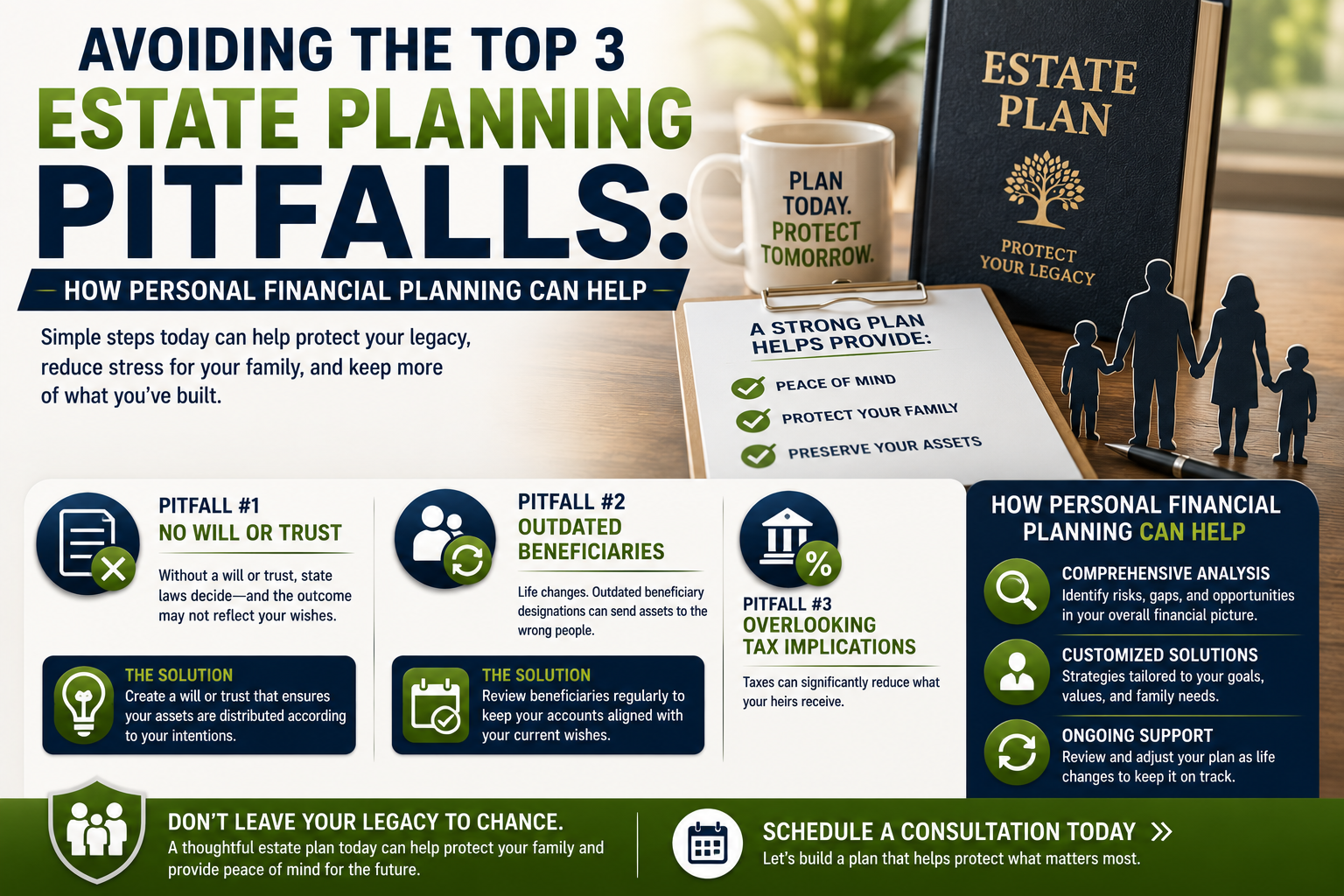
Avoiding the Top 3 Estate Planning Pitfalls: How Personal Financial Planning Can Help
“I know estate planning matters… I’m just not sure what I might be missing.”
These three common pitfalls can quietly undermine your wishes, create family stress, and put your legacy at risk.

Double the Impact: How Charitable Remainder Trusts Benefit You and the World
“I want my money to do more than just grow.”
A Charitable Remainder Trust can help create income, reduce tax exposure, and support the causes that matter most to you.
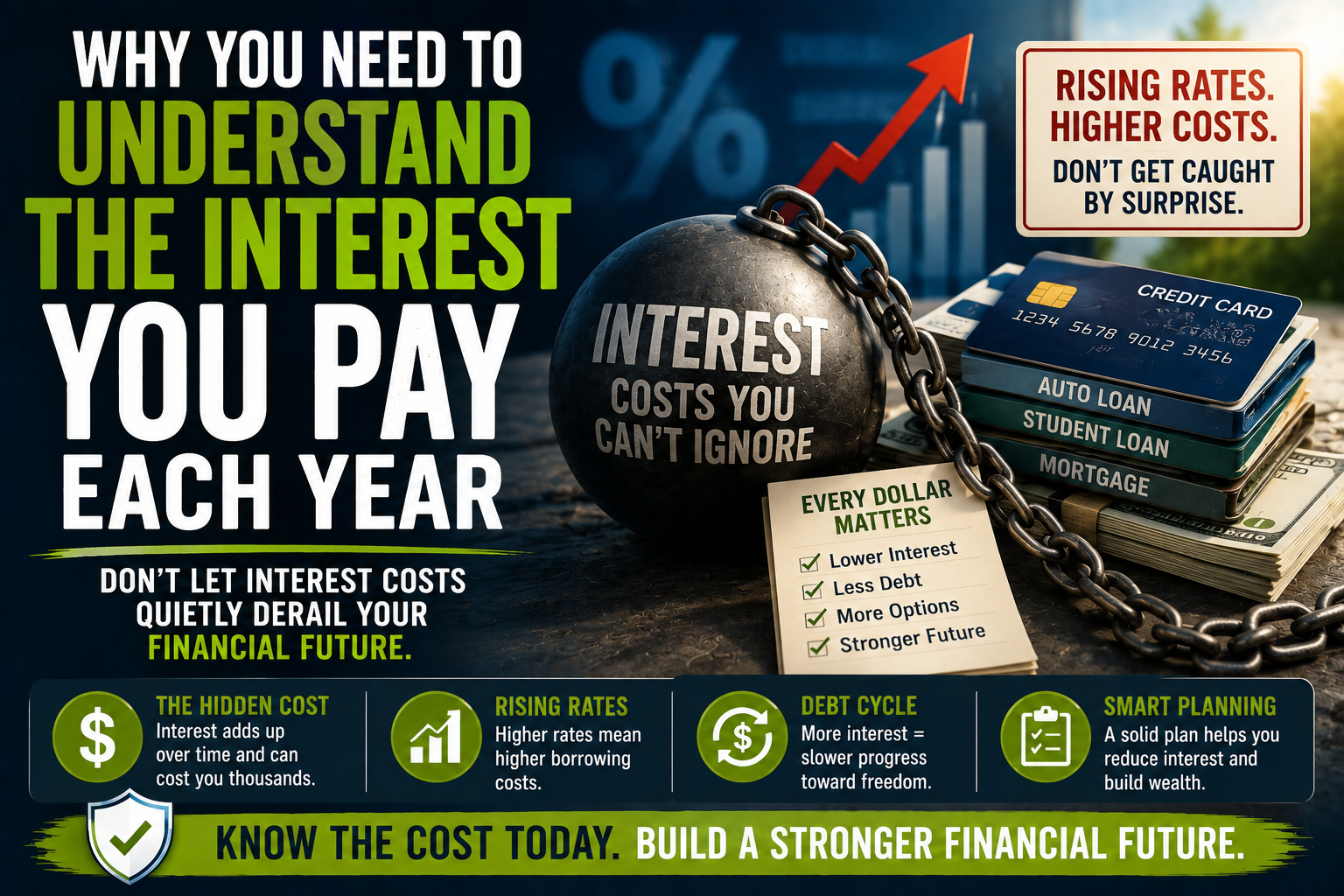
Why You Need to Understand the Interest You Pay Each Year
Every dollar spent on interest is a dollar that isn’t building your future.
Learn how debt costs can quietly impact your ability to build long-term wealth.
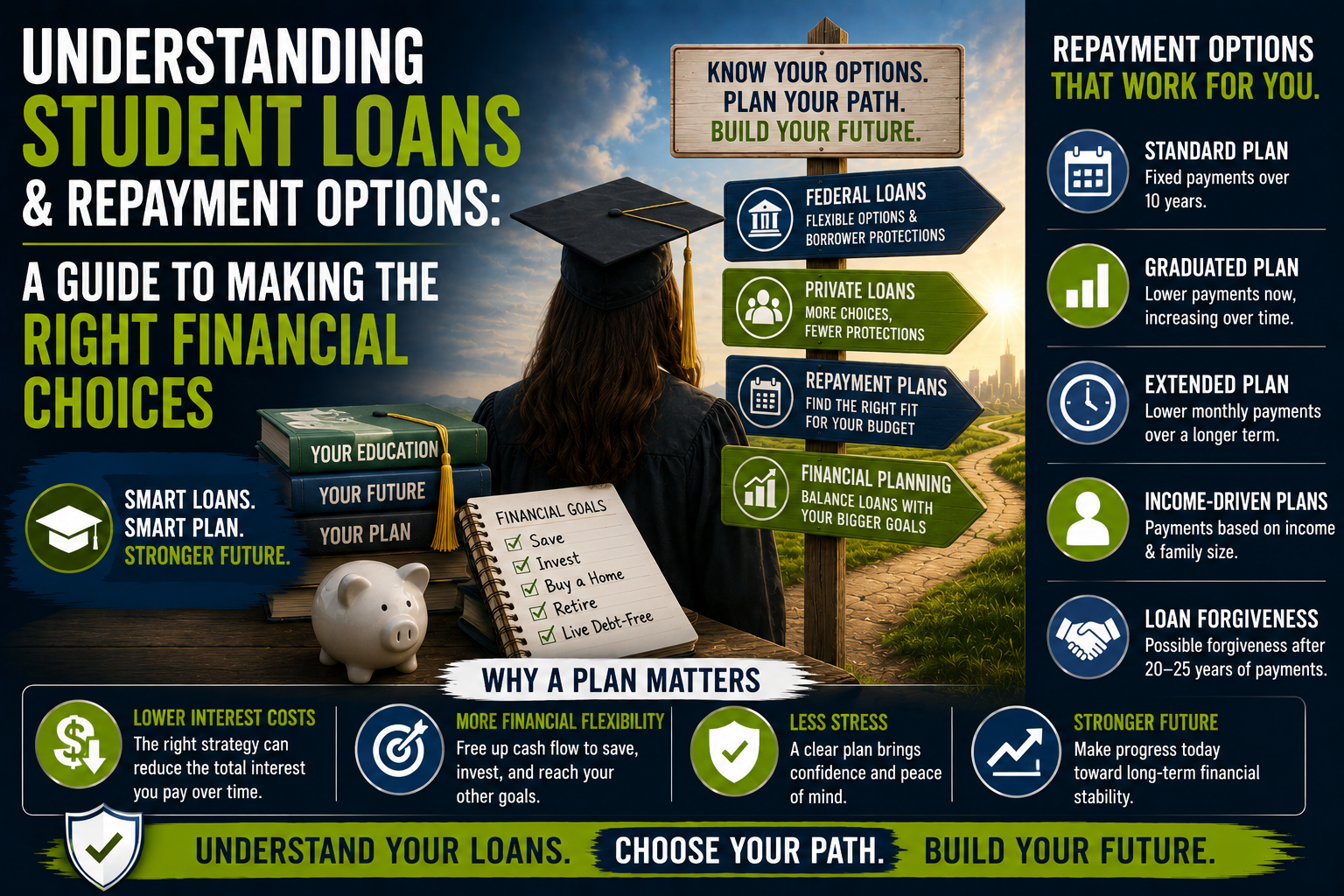
Understanding Student Loans and Repayment Options: A Guide to Making the Right Financial Choices
“I’m making payments… but I’m not sure if I’m using the best strategy.”
This guide breaks down repayment options and how student loans fit into your broader financial plan.

Simple Tip Could Make Them Disappear Sooner!
“What if your 30-year mortgage didn’t actually have to take 30 years?”
Small extra payments can make a surprisingly large impact over time.
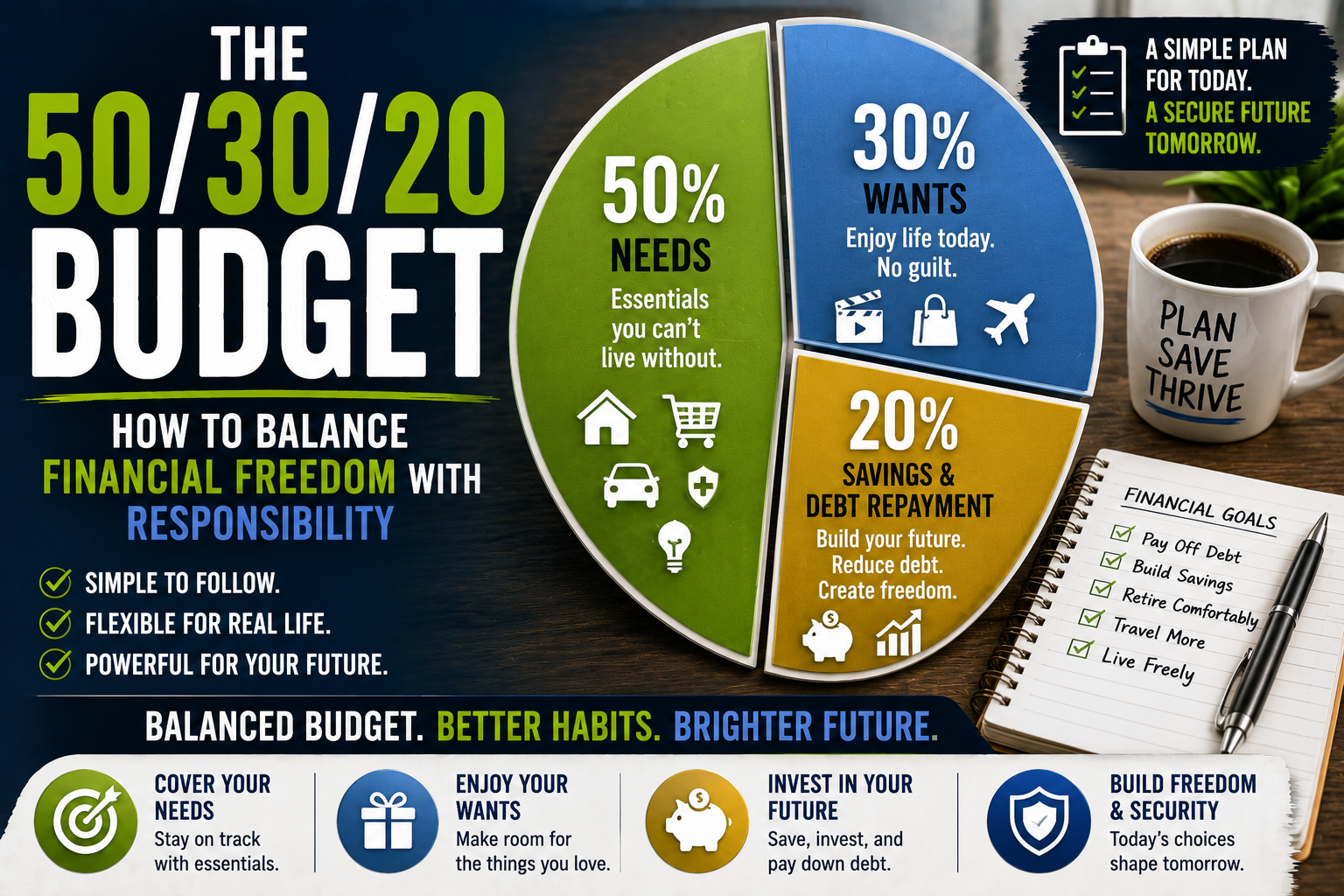
The 50/30/20 Budget: How to Balance Financial Freedom with Responsibility
“Budgeting shouldn’t feel like punishment.”
The 50/30/20 budget creates a simple framework that helps you balance enjoying life today while still preparing for the future.
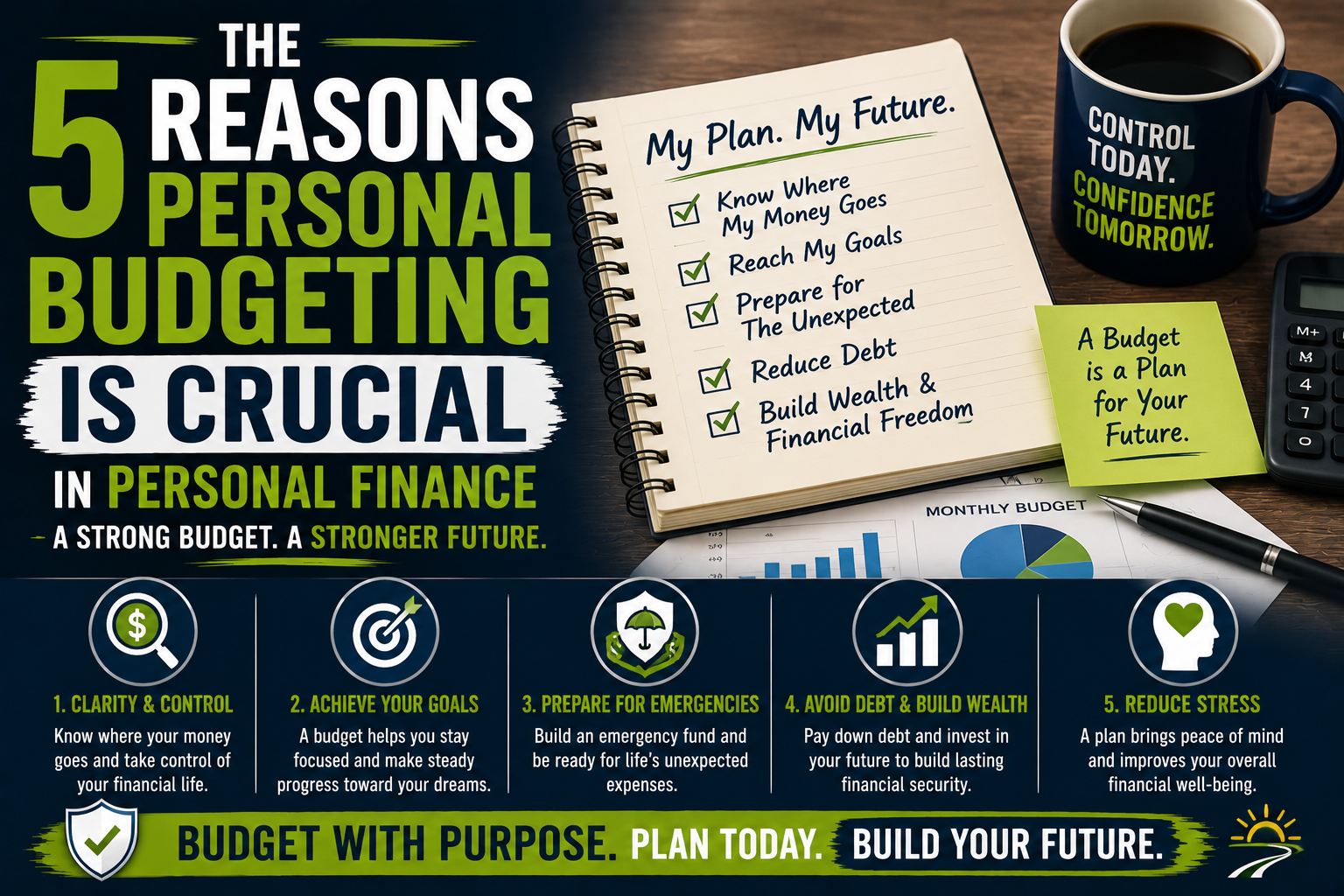
The 5 Reasons Personal Budgeting Is Crucial in Personal Finance
Most people don’t need a more complicated financial system.
They need clarity around where their money is going and a plan for where they want it to go next.
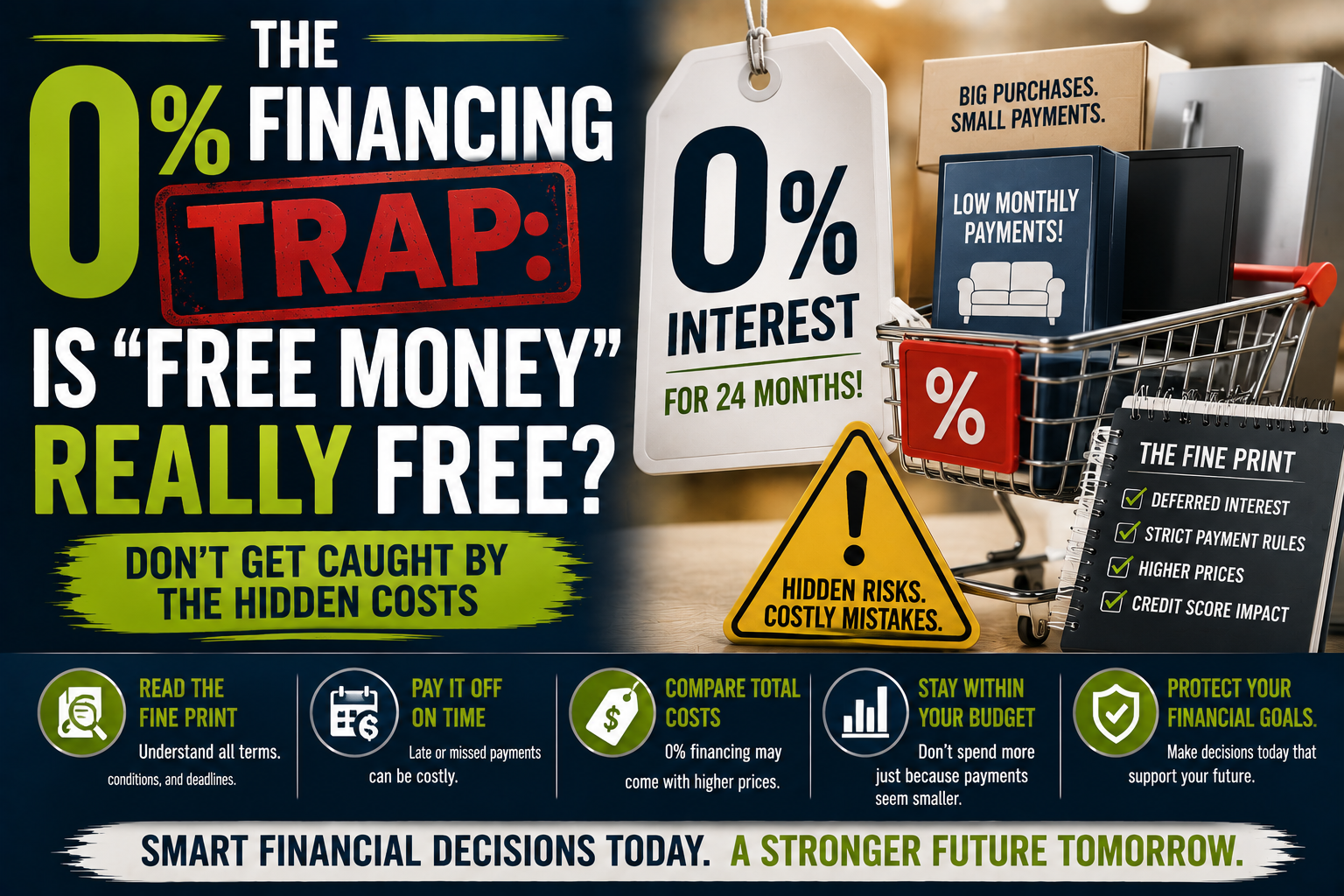
The 0% Financing Trap: Is "Free Money" Really Free?
“The payments looked manageable at the time.”
0% financing can sometimes encourage overspending and create financial pressure later if there’s no clear repayment plan.
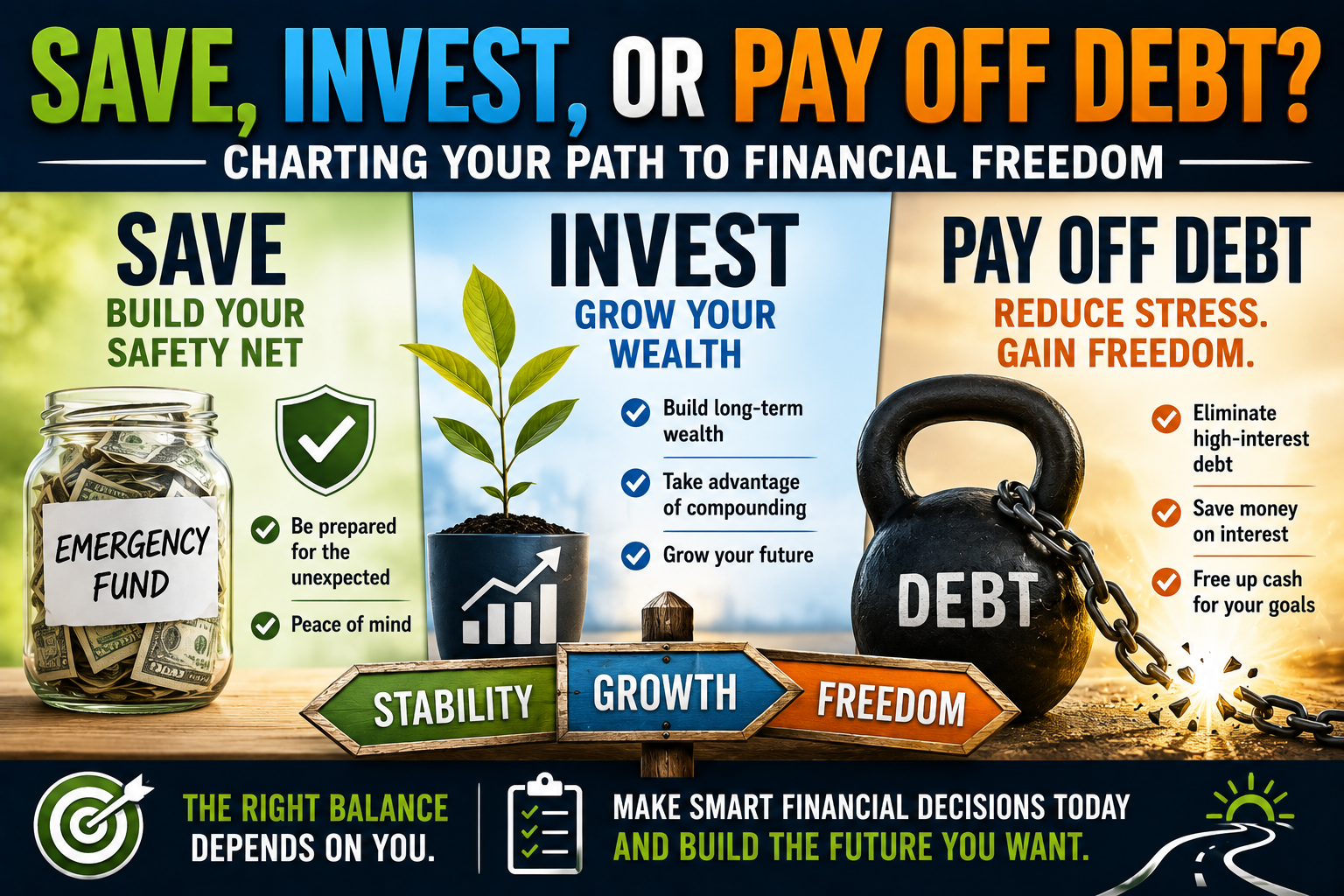
Save, Invest, or Pay Off Debt? Charting Your Path to Financial Freedom
Paying off debt creates relief. Investing builds future wealth. Saving creates stability.
The challenge is knowing how to balance all three.
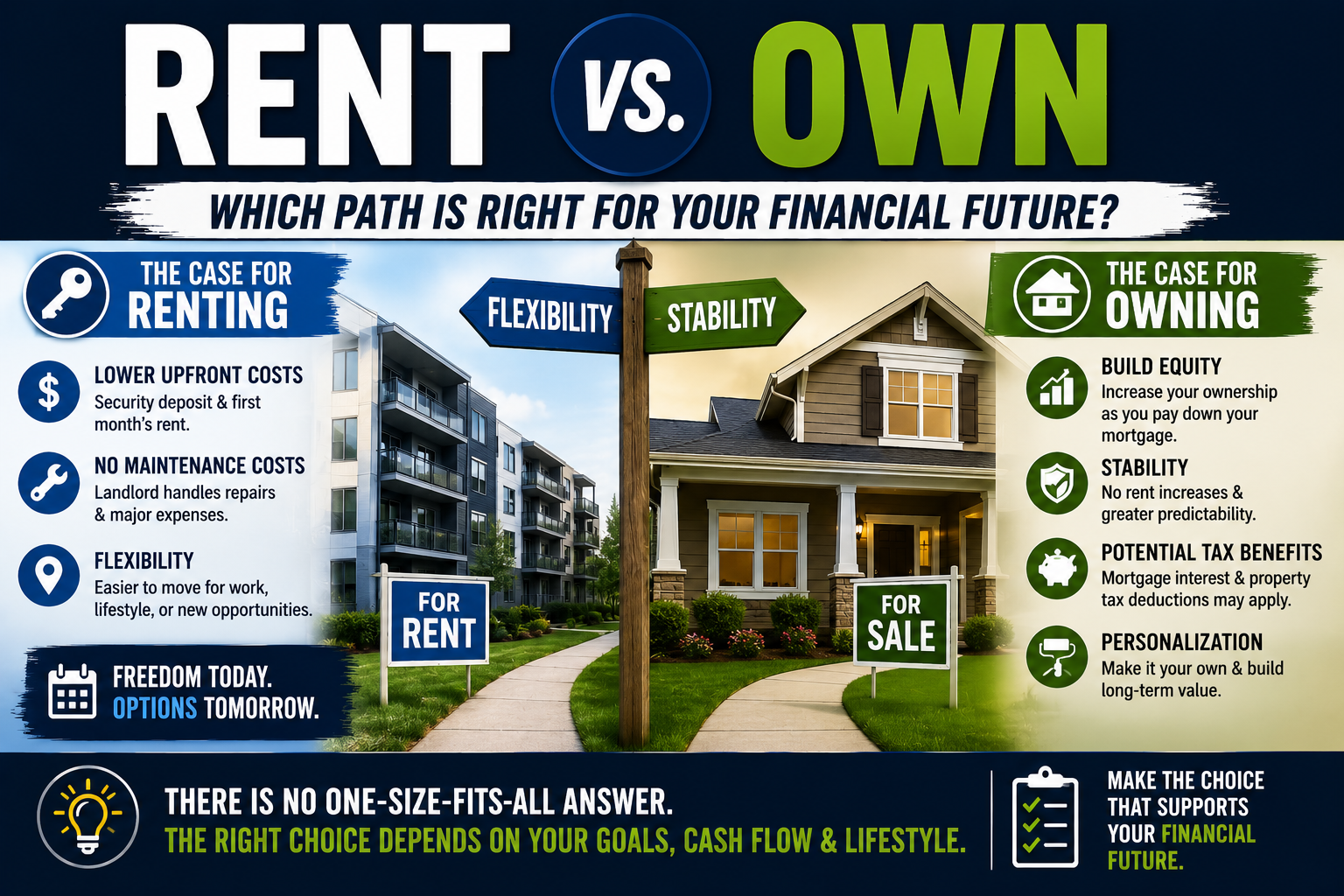
Rent vs. Own: Which Path Is Right for Your Financial Future?
“Buying a home isn’t automatically the better financial decision.”
Depending on your goals, renting may actually provide more flexibility and financial freedom.
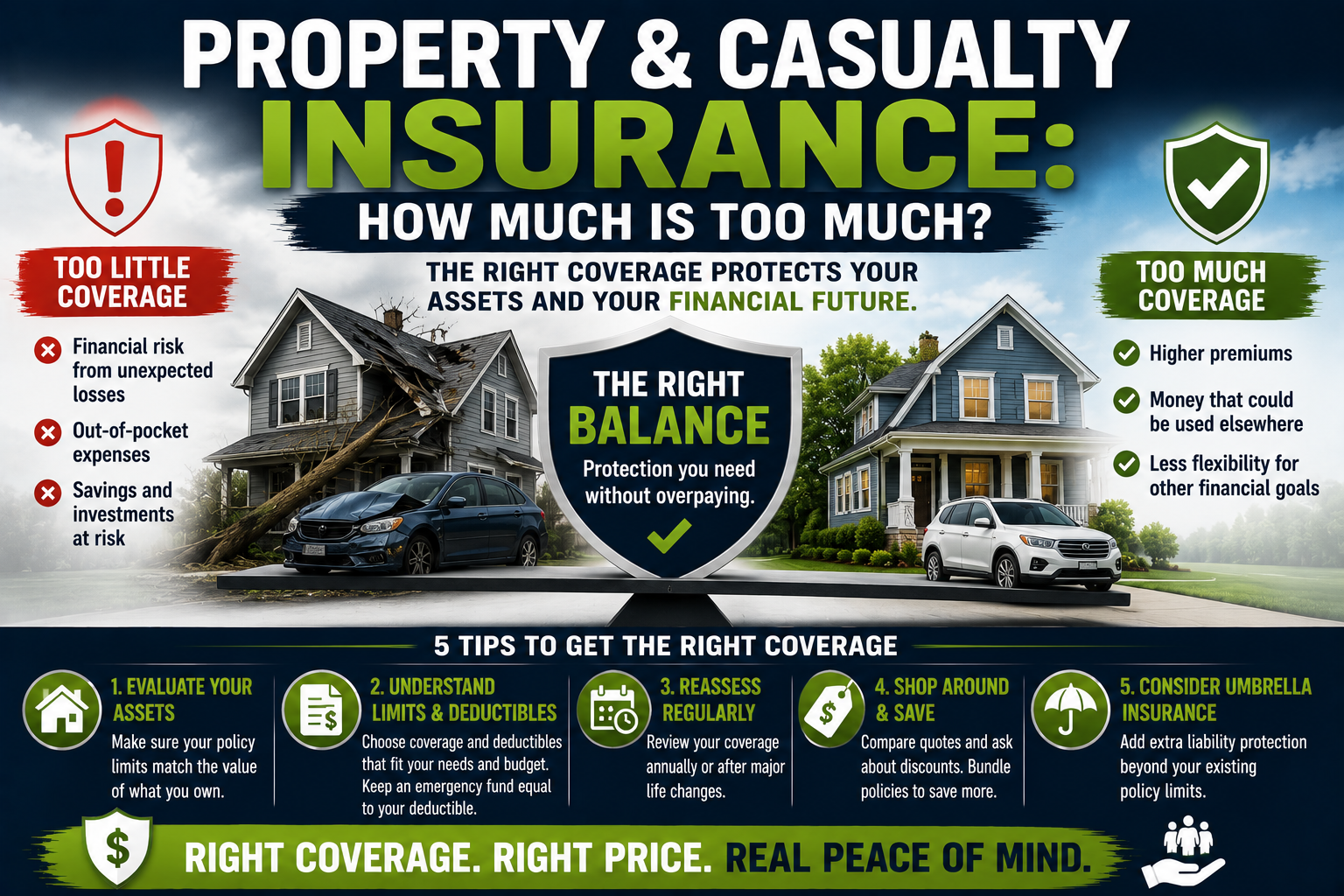
Property & Casualty Insurance: How Much Is Too Much?
“How much insurance do you actually need?”
Too little coverage can create financial risk. Too much may quietly drain money from other important goals.
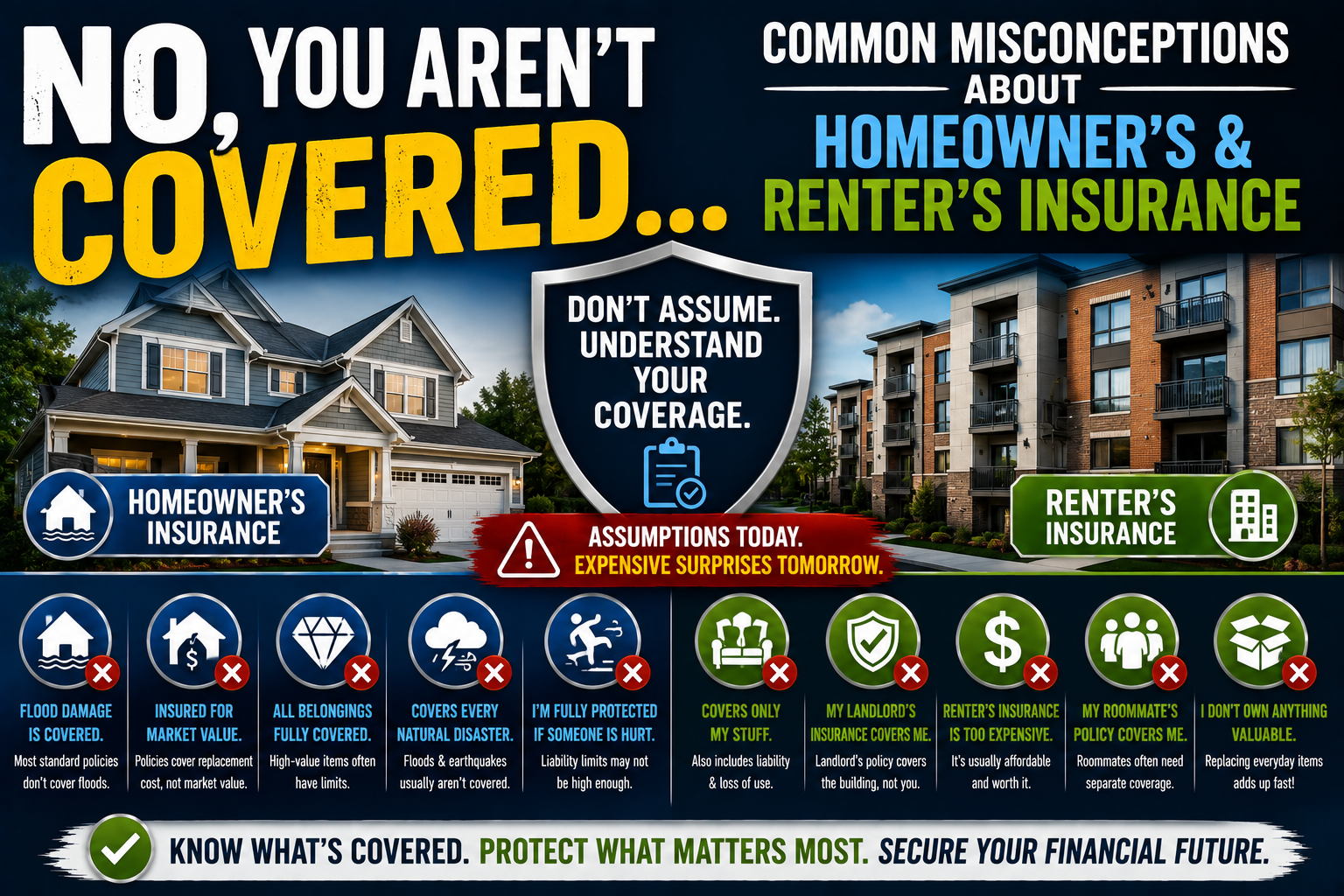
No, You Aren’t Covered… Common Misconceptions About Homeowner’s & Renter’s Insurance
Flood damage, high-value belongings, liability limits, and roommate situations are just a few areas where insurance misconceptions can create expensive surprises.

Lease vs. Buy: Which Car Option Is Best for You?
“Lower monthly payments don’t always mean lower long-term costs.”
When it comes to leasing vs. buying a car, the smartest option depends on your financial goals and lifestyle.
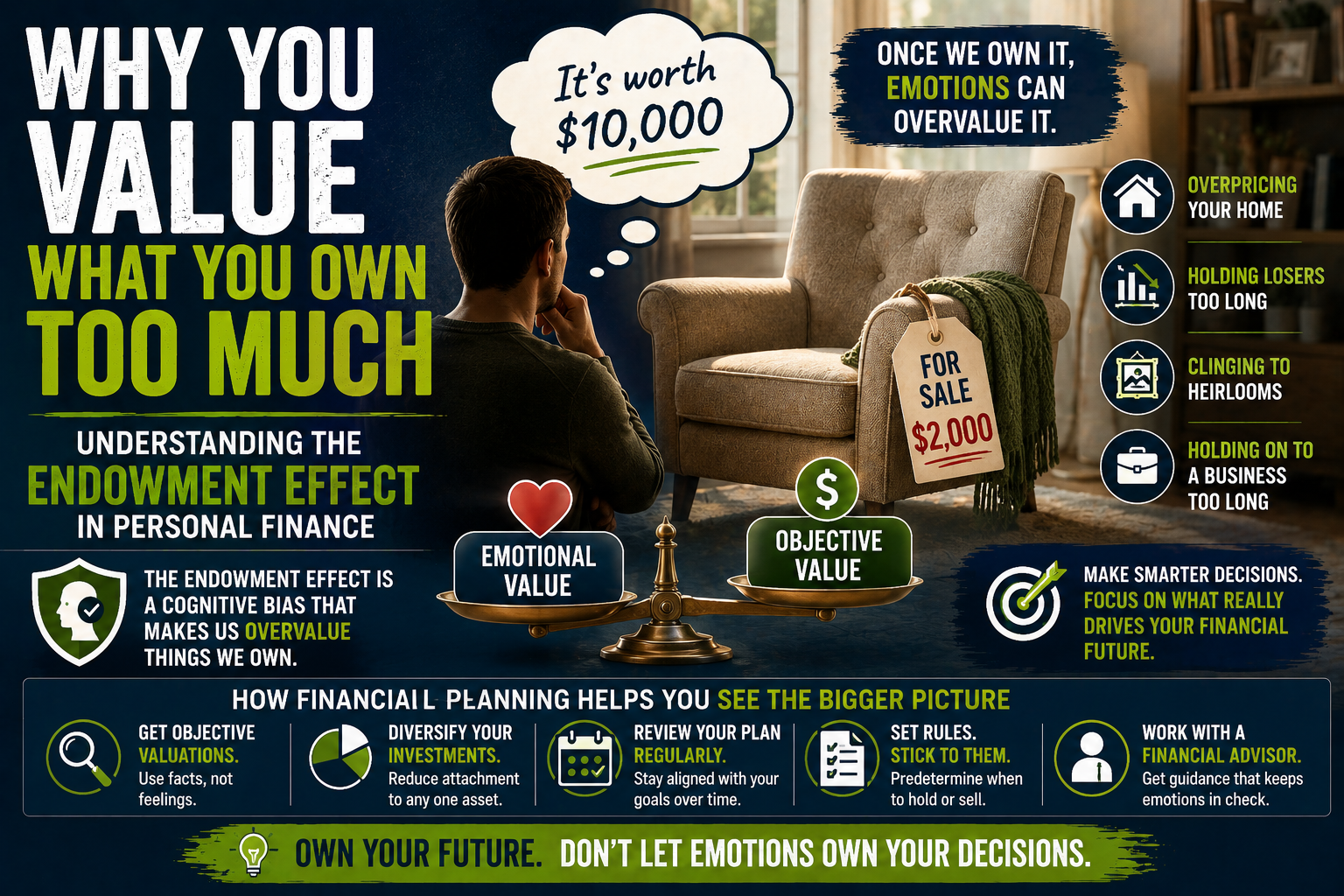
Why You Value What You Own Too Much: Understanding the Endowment Effect in Personal Finance
Your biggest financial blind spot may be emotional attachment.
Learn how the endowment effect impacts investing, real estate, and major money decisions.
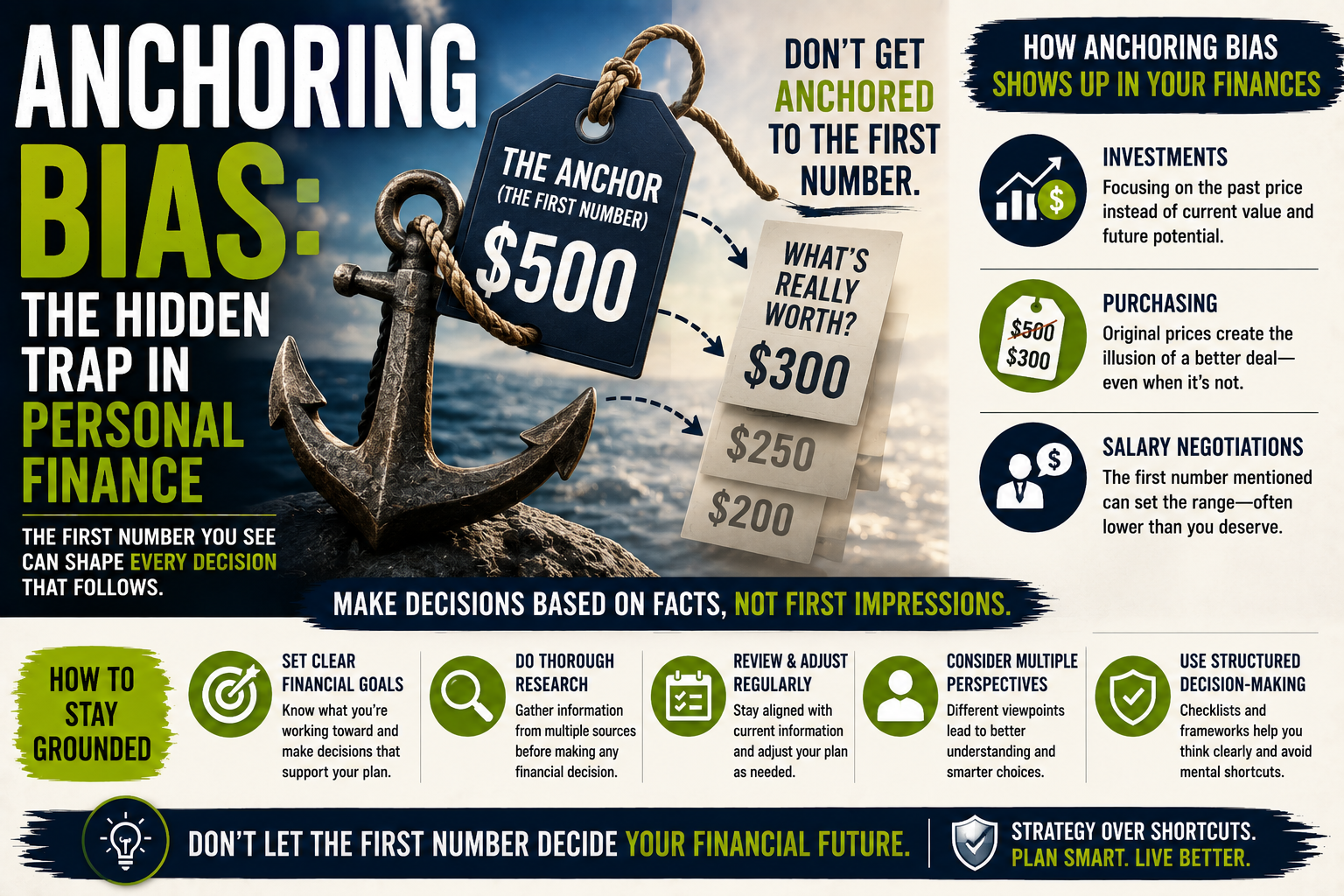
Anchoring Bias: The Hidden Trap in Personal Finance
“The first number you see influences more than you think.”
Anchoring bias can quietly shape your investing, spending, and financial decisions without you realizing it.
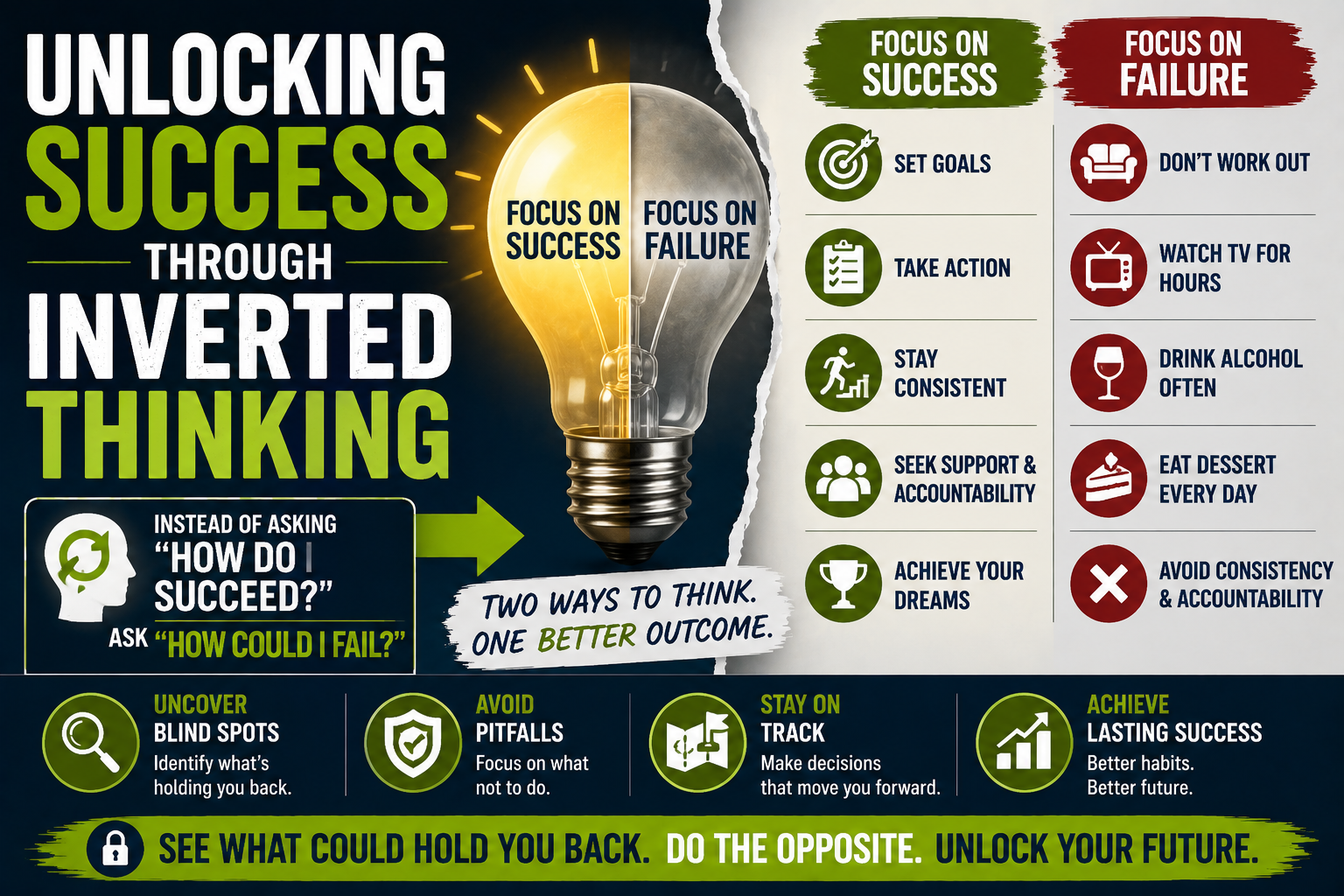
Unlocking Success Through Inverted Thinking
“What if the key to achieving your goals is focusing on how to fail?”
Inverted thinking helps uncover the habits, behaviors, and blind spots quietly holding you back.
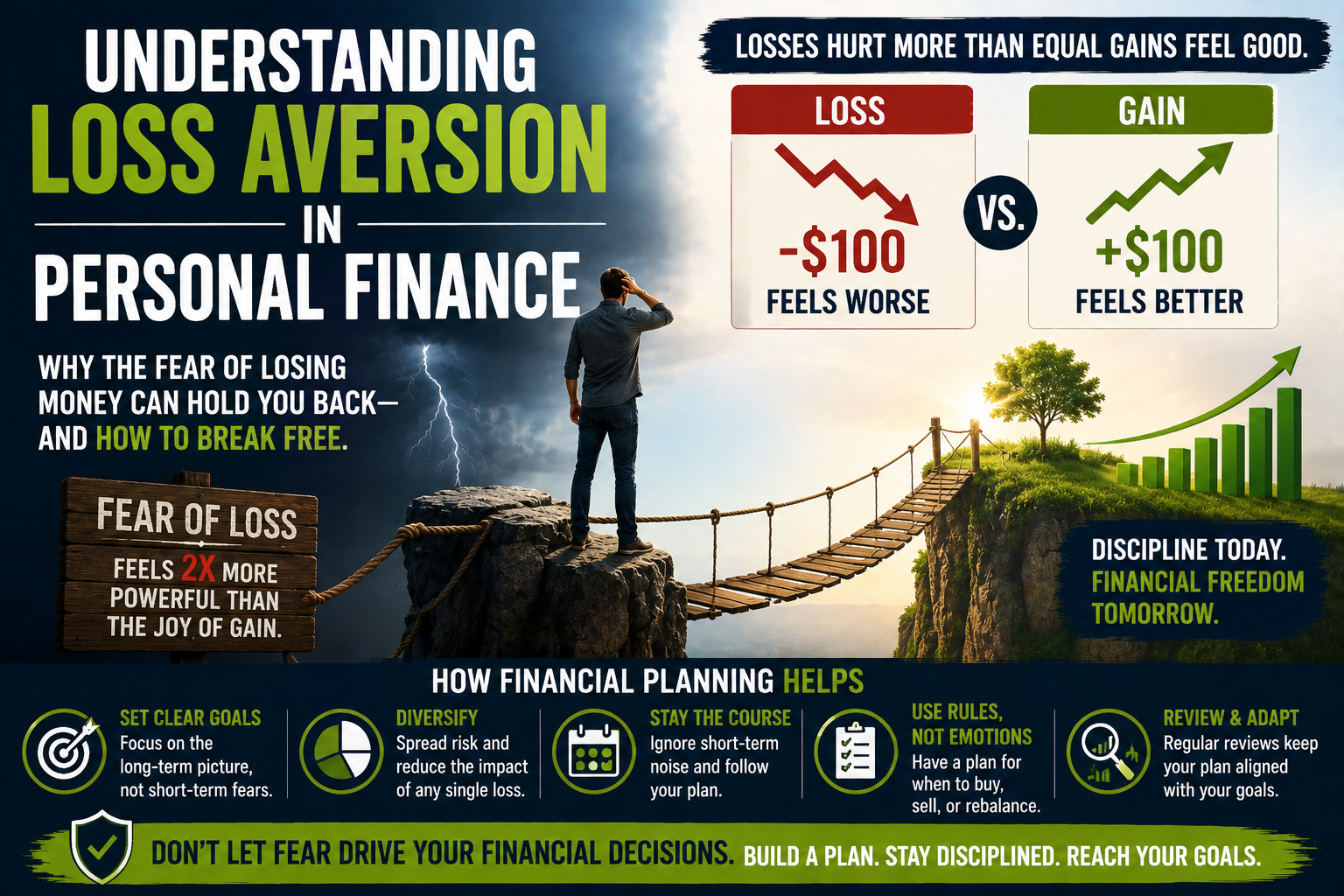
Understanding Loss Aversion in Personal Finance
Playing it too safe can be risky too.
This post explains how fear-based decisions may quietly hold back your long-term financial progress.
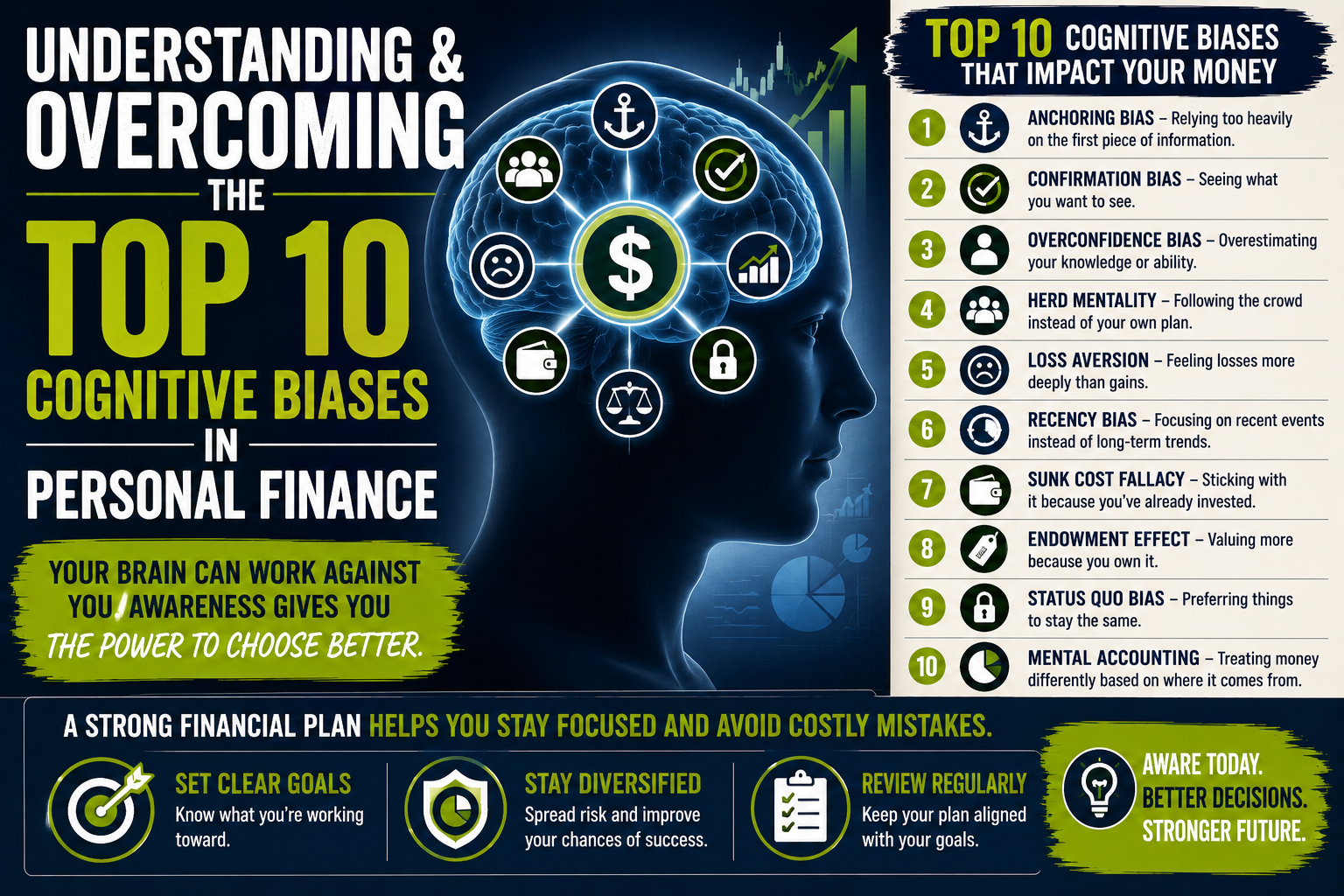
Understanding and Overcoming the Top 10 Cognitive Biases in Personal Finance
Most people think financial mistakes come from lack of knowledge.
In reality, they often come from cognitive biases and emotional decision-making.
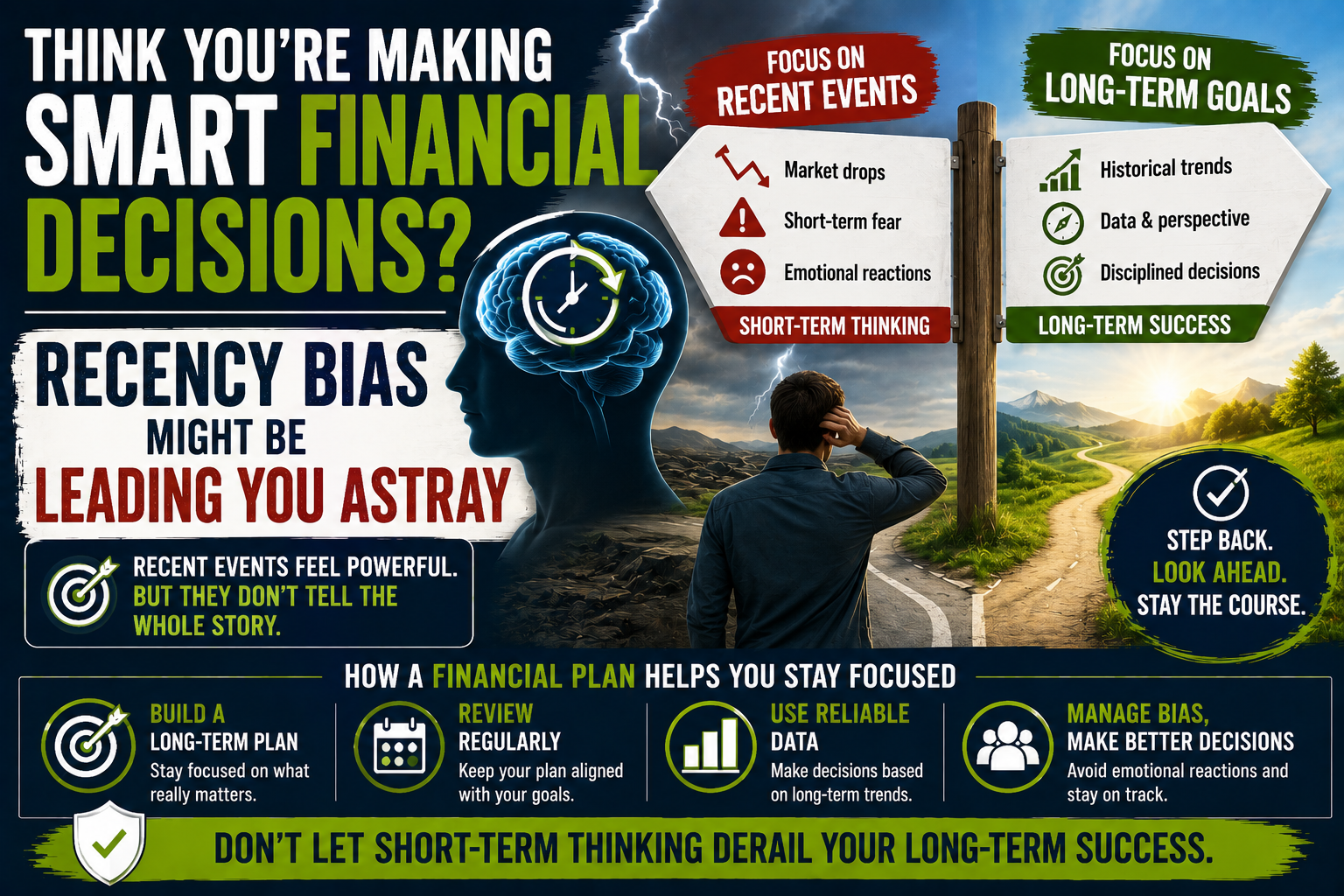
Think You're Making Smart Financial Decisions? Recency Bias Might Be Leading You Astray
When markets rise, it feels like they’ll never stop.
When they fall, it feels like they’ll never recover. That’s recency bias in action.
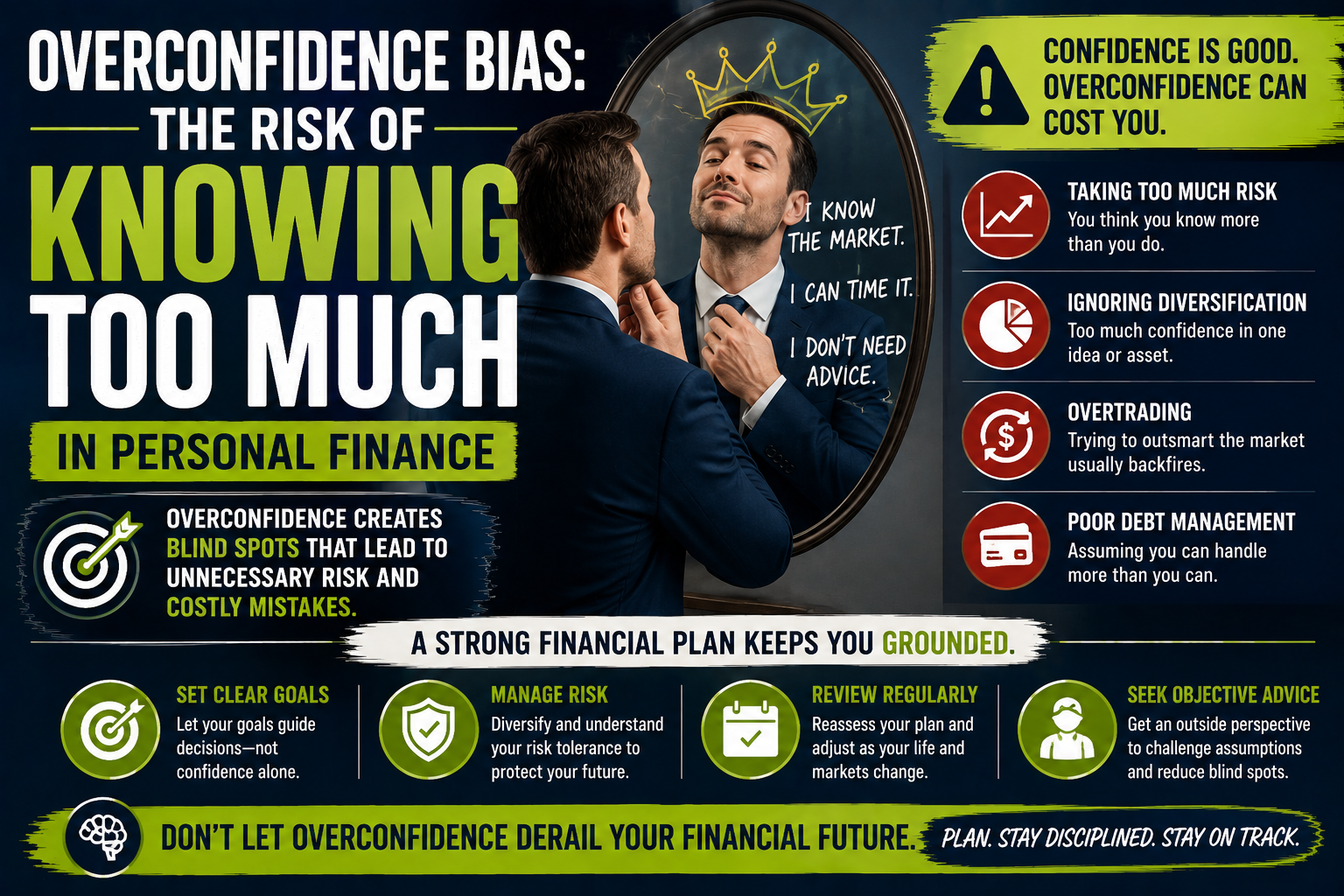
Overconfidence Bias: The Risk of Knowing Too Much in Personal Finance
A strong financial plan creates structure when confidence starts turning into assumption.
Learn how to avoid overconfidence bias and make more disciplined decisions.