
Roth Conversions and the Importance of Tax-Free Income in Retirement
As you approach retirement, one of the most strategic moves you can make is converting a portion of your traditional retirement savings to a Roth IRA. This isn't just about shifting money between accounts; it's a calculated decision that can significantly impact your tax situation and retirement lifestyle. At KLD Wealth Management, Roth conversion planning is central to the tax strategy we build for clients.
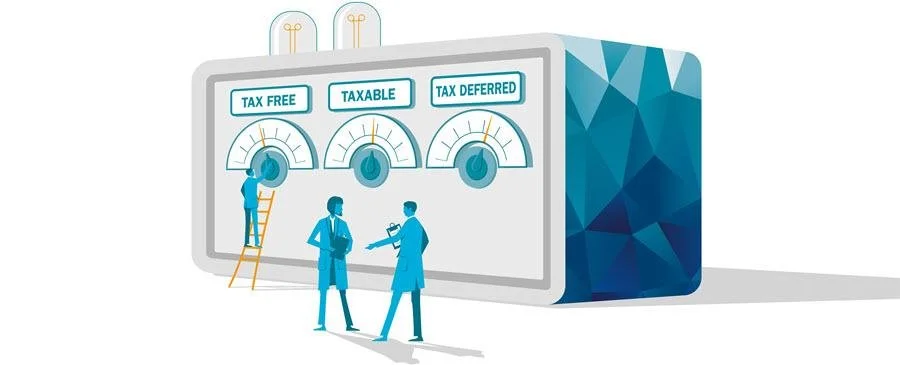
Roth conversions are most effective during lower-income years, typically between retirement and age 73 when Required Minimum Distributions begin.
What Are Roth Conversions?
A Roth conversion involves moving money from a traditional retirement account, like a 401(k) or a traditional IRA, to a Roth IRA. The primary advantage of a Roth IRA is that while you pay taxes on the converted amount now, your future withdrawals are tax-free, provided you meet certain conditions. This means that during retirement, you can withdraw money without worrying about income taxes — which can be a significant advantage.
The Benefits of Tax-Free Income
1. Predictable Tax Bills: With tax-free withdrawals from a Roth IRA, you avoid the uncertainty of fluctuating tax rates in the future. According to the Tax Policy Center, tax rates are expected to rise over time as the government addresses budget deficits and other fiscal challenges. Having a source of tax-free income can provide peace of mind and predictability in your retirement planning.
2. Avoiding RMDs: Roth IRAs are not subject to Required Minimum Distributions (RMDs) during the account owner's lifetime, unlike traditional IRAs. This means you can let your investments grow without being forced to take withdrawals, which can be particularly advantageous if you want to leave a larger inheritance or if you don't need the funds immediately.
3. Enhanced Financial Flexibility: Tax-free withdrawals give you greater control over your taxable income, potentially allowing you to stay in a lower tax bracket. For example, in 2023, the top tax bracket in the U.S. is 37% — staying out of this bracket can save you a substantial amount in taxes.
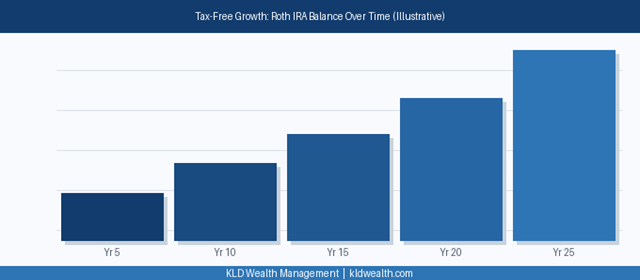
4. Long-Term Growth Potential: By converting to a Roth IRA, your investments can grow tax-free. Given that the S&P 500 has historically provided an average annual return of about 10%, tax-free growth can significantly boost your retirement savings over time.
How Personal Financial Planning Can Help
Proper personal financial planning is essential to making Roth conversions effective. Here's how a well-structured plan can help you avoid pitfalls and maximize benefits:
• Timing Your Conversions: Determining the right time to convert is crucial. Converting when your income is lower can reduce the amount of taxes owed. If you're in a lower tax bracket now than you anticipate being in retirement, it might make sense to convert more of your savings to a Roth IRA.
• Tax Bracket Management: Effective tax planning involves managing your income to avoid pushing yourself into a higher tax bracket. By strategically converting portions of your traditional IRA to a Roth IRA, you can manage your tax liability and avoid significant spikes in taxable income.
• Integrating with Overall Strategy: Roth conversions should be part of a comprehensive financial plan. This includes considering other strategies such as optimizing tax withholdings and leveraging tax-advantaged accounts to ensure that every aspect of your financial plan aligns with your goals.
Roth conversions are a critical piece of the tax planning puzzle, helping you manage tax implications effectively and secure a tax-efficient retirement.
A Roth conversion is not right for everyone or every year. But for the right client at the right time, it is one of the highest-impact moves in retirement tax planning.
Let's work together to build a tax-efficient strategy that enhances your retirement and ensures your financial security.