
Why a Tax Refund Might Not Be a Good Thing
Getting a tax refund might feel like hitting the jackpot — a little windfall from the IRS just in time for a spring vacation or that big purchase you've been eyeing. But what if I told you that a tax refund is often a sign that you've been giving the government an interest-free loan? Instead of celebrating, you should be asking yourself: How can I better manage my money throughout the year?
At KLD Wealth Management, optimizing cash flow is a core part of personalized financial planning. Let's dig into why a large refund might not be the win it feels like.
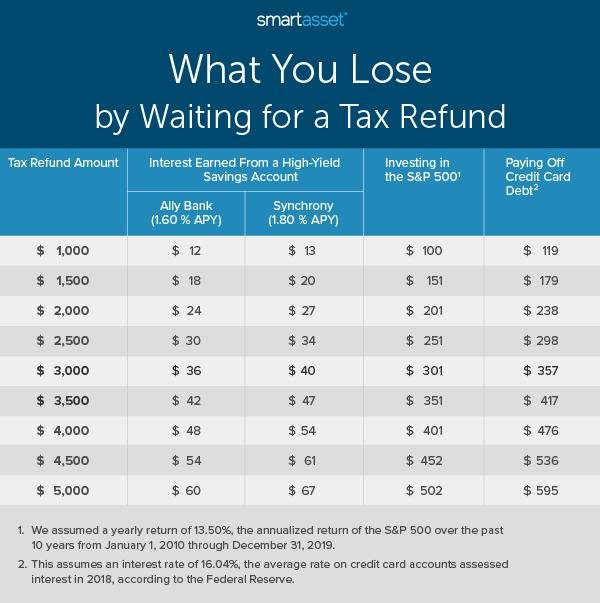
A tax refund is a return of your own money, not a bonus. Optimizing your withholding puts that cash in your hands throughout the year instead.
Why a Tax Refund Can Be a Bad Thing
1. Lost Opportunity for Growth: According to the IRS, the average tax refund was $2,878. While this might seem like a nice chunk of change, consider this: if you had invested that money throughout the year, you could have earned interest or returns depending on your investment vehicle. Over time, these missed growth opportunities can add up significantly.
2. Inflation Erodes Value: With inflation rates consistently rising, the purchasing power of your refund decreases the longer the government holds onto your money. With an annual inflation rate of 3%, the $2,878 refund you receive today is worth less in real terms than it was a year ago when the money could have been in your pocket, keeping pace with inflation.
3. Cash Flow Mismanagement: Receiving a large tax refund often indicates that you've been over-withholding on your taxes throughout the year. This means you're giving up control of your money, which could have been used to pay down debt, build an emergency fund, or invest for retirement. A well-structured financial plan ensures that your cash flow is managed efficiently, so you're not left waiting for a refund to make important financial moves.
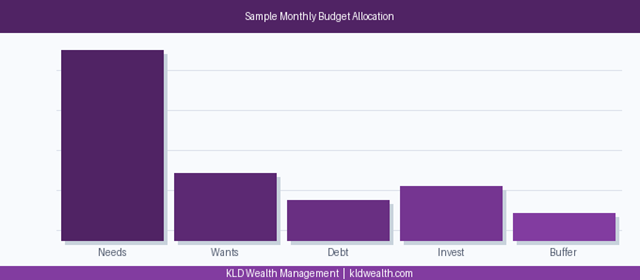
A well-structured cash flow plan keeps money working throughout the year rather than waiting for a tax season windfall to course-correct.
The Pitfalls of Relying on a Tax Refund
Many people view their tax refund as a bonus or a form of forced savings, but this mindset can lead to financial pitfalls:
• Debt Accumulation: If you're waiting on your tax refund to pay off credit card debt or other loans, you're likely accruing interest charges that could have been avoided with better cash flow management.
• Delayed Financial Goals: Using a tax refund to fund significant financial goals, such as saving for a home down payment or investing in your retirement, means you're delaying progress on these goals. By optimizing your tax withholdings, you can work toward these objectives steadily throughout the year.
• False Sense of Security: A tax refund can create a false sense of financial security, leading you to splurge on non-essential purchases rather than focusing on long-term financial stability.
How Personal Financial Planning Can Help
Personal financial planning isn't just about investing; it's about ensuring every aspect of your financial life is aligned with your goals. Here's how it can help you avoid the pitfalls associated with tax refunds:
• Optimizing Withholdings: A comprehensive financial plan can help you adjust your tax withholdings so that you're paying exactly what you owe, rather than overpaying throughout the year. This puts more money in your pocket each month, giving you greater control over your finances.
• Proactive Cash Flow Management: By understanding your income, expenses, and financial goals, you can create a cash flow strategy that ensures you're making the most of your money in real-time, rather than waiting for a refund to make a move.
• Investment Strategy Alignment: Instead of viewing your tax refund as a bonus, integrate it into your overall investment strategy. Whether it's paying down debt, contributing to retirement accounts, or investing in a diversified portfolio, every dollar should be working toward your financial goals.
A tax refund is not a bonus. It is your own money being returned to you, late. Keeping it throughout the year gives you the power to put it to work on your terms.
A well-crafted financial plan can help you optimize your cash flow, avoid unnecessary pitfalls, and build wealth over time. Let's create a strategy that keeps your money in your pocket, where it belongs.