
Smart Strategies for Tax Planning in Retirement: Maximizing Your Savings and Minimizing Your Tax Bill
Are you nearing retirement age and concerned about how taxes will impact your income? You're not alone. Many retirees face the challenge of managing their taxes effectively to maximize their savings and minimize their tax bill. At KLD Wealth Management, tax strategy is one of the four core areas reviewed in every quarterly client meeting alongside investment management, cash flow, and risk management.
In this post, we'll explore smart strategies for tax planning in retirement that can help you navigate this complex landscape and keep more of what you've earned.
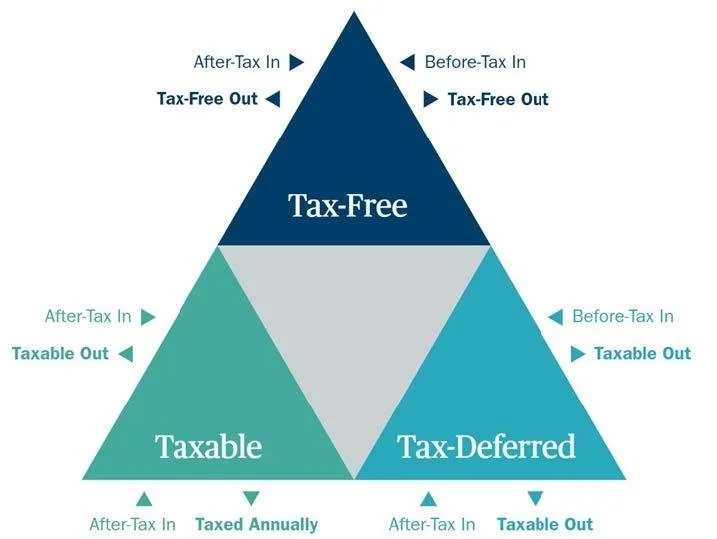
Retirement tax planning covers Social Security optimization, withdrawal sequencing, RMD management, and more. Getting each piece right compounds in value over time.
The Importance of Tax Planning in Retirement
As you transition into retirement, your income sources and tax obligations may change significantly. Understanding the tax implications of your retirement income — Social Security benefits, pensions, and withdrawals from retirement accounts — is essential for maintaining financial stability. Effective tax planning can help you minimize your tax liability, maximize your retirement savings, and ensure that you have the resources to enjoy your golden years.
Tax planning in retirement is not a one-time event. It's an ongoing process that requires regular review and adjustments as tax laws, personal circumstances, and market conditions evolve.
Understanding the Tax Implications of Different Retirement Income Sources
Your retirement income may include Social Security benefits, pensions, 401(k) and IRA withdrawals, and investment income — each with its own tax treatment. Factors such as your filing status, other income sources, and benefit amounts all impact what you'll owe. Careful planning around the timing and amounts of these withdrawals can help you manage your tax liability and ensure your retirement income is optimized.
Maximizing Retirement Savings Through Tax-Advantaged Accounts
401(k) plans allow you to contribute pre-tax dollars, which lowers your taxable income in the current year. The investments grow tax-deferred, meaning you don't pay taxes on earnings until you withdraw the funds in retirement.
Roth IRAs offer a different type of tax advantage. Contributions are made with after-tax dollars, but the investments grow tax-free, and qualified withdrawals in retirement are also tax-free. This is a particularly attractive option for those who expect to be in a higher tax bracket in retirement.
By maximizing your contributions to these tax-advantaged retirement accounts, you can significantly reduce your taxable income and build a more robust retirement savings portfolio.
Utilizing Tax-Efficient Investment Strategies in Retirement
One effective strategy is to hold tax-efficient investments, such as municipal bonds and tax-managed mutual funds, in your taxable investment accounts. Another strategy is to prioritize tax-deferred growth in retirement accounts while holding more tax-efficient investments in taxable accounts.
Additionally, consider the timing of your investment transactions, such as the sale of appreciated assets. By strategically managing the timing of your capital gains and losses, you can potentially offset taxes and reduce your overall tax liability.
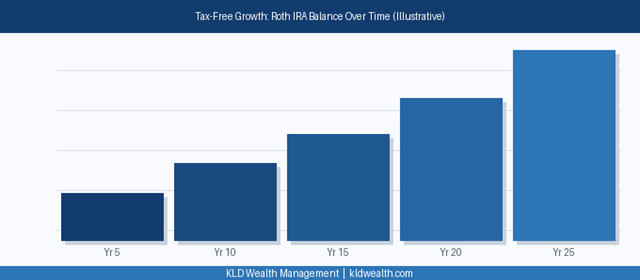
Tax-advantaged accounts, used strategically, compound in value over decades. The key is knowing which accounts to draw from first and when.
Taking Advantage of Tax Deductions and Credits for Retirees
As you transition into retirement, several tax deductions and credits become more accessible. Medical expense deductions apply when out-of-pocket costs exceed 7.5% of your adjusted gross income. Property tax deductions, charitable contribution deductions, and the Retirement Savings Contributions Credit — which provides a tax credit of up to $2,000 for eligible individuals — are all worth exploring.
By understanding and taking advantage of these tax deductions and credits, you can ensure that you're minimizing your tax burden and maximizing your retirement income.
Managing Required Minimum Distributions (RMDs) and Their Tax Implications
RMDs are the minimum amount you are required to withdraw from your retirement accounts once you reach a certain age. RMD withdrawals are generally taxed as ordinary income, which can push you into a higher tax bracket and increase your overall tax liability. To manage the tax impact of RMDs, consider:
• Delaying RMDs from certain accounts, if possible, to minimize the annual tax impact.
• Coordinating RMD withdrawals with other income sources to manage your overall tax liability.
• Exploring options like qualified charitable distributions (QCDs), which allow you to donate a portion of your RMD directly to a qualified charity and exclude the amount from your taxable income.
Implementing a Roth Conversion Strategy for Tax Optimization
A Roth conversion involves transferring funds from a traditional IRA or 401(k) to a Roth IRA. The primary advantage is that it allows you to pay taxes on your retirement savings upfront at your current (potentially lower) tax rate, then enjoy tax-free growth and withdrawals in retirement.
When considering a Roth conversion, carefully evaluate factors such as your current tax bracket, the size of the conversion, and your expected retirement timeline. Working with a financial advisor can help you develop a personalized Roth conversion plan that aligns with your overall retirement goals.
Incorporating Charitable Giving for Tax Benefits in Retirement
Charitable giving can be an effective way to reduce your tax liability in retirement while supporting causes that are important to you. Qualified charitable distributions (QCDs) allow you to directly transfer up to $100,000 per year from your IRA to a qualified charitable organization, excluding the amount from your taxable income. This can be particularly beneficial for retirees who are required to take RMDs.
Working with a Tax Advisor or Financial Planner for Personalized Tax Planning
Navigating the complexities of tax planning in retirement can be daunting. A financial planner at KLD Wealth Management can take a holistic approach to your retirement planning, incorporating tax planning as a crucial component. They can help you develop a retirement income plan that balances investment strategies, withdrawal strategies, and tax planning to maximize your long-term financial well-being.
Investing in professional tax planning services can be a valuable asset in your retirement years — it can help you avoid costly mistakes, minimize your tax liability, and ensure that your retirement savings are working as efficiently as possible.
The goal of retirement tax planning is not to avoid taxes entirely. It is to pay only what you owe and not a dollar more, across your entire retirement lifetime.
Tax planning is an ongoing process. By staying informed and working with a trusted advisor, you can take control of your retirement finances and enjoy the peace of mind you've worked hard to achieve.