
The 5 Reasons Personal Budgeting Is Crucial in Personal Finance
In personal finance, budgeting remains one of the most important tools for building financial stability and long term success. While budgeting may seem simple or repetitive, its impact on your financial future can be significant.
A strong budget provides structure, clarity, and direction for your financial life. It helps you understand where your money is going, prioritize important financial goals, and avoid common financial mistakes that can create long term stress.
At KLD Wealth Management, budgeting is viewed as a foundational piece of financial planning because it supports nearly every other financial decision you make. Here, we delve into five compelling reasons why personal budgeting is essential and how strategic financial planning can help you sidestep common pitfalls, ensuring a robust financial future.
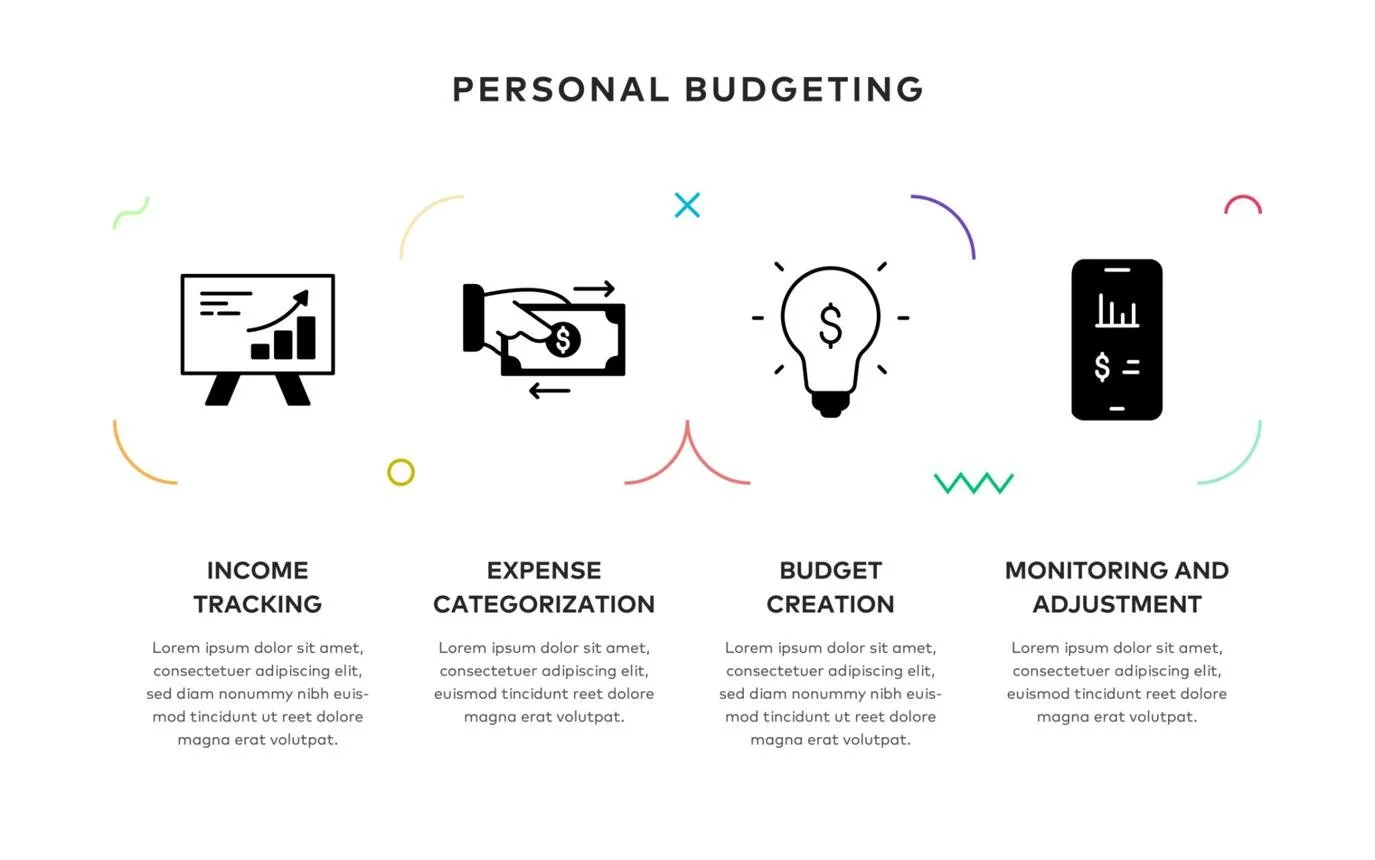
1. Clarity and Control Over Your Finances
A well organized budget provides a clearer picture of your income, expenses, and overall spending habits. This visibility helps identify unnecessary spending and creates opportunities to improve saving and cash flow.
Without a budget, it becomes much easier to overspend, rely too heavily on debt, or lose track of financial priorities. Budgeting creates accountability and gives you more control over your day to day financial decisions.
Many people are surprised once they begin tracking expenses because they discover how quickly small purchases and subscriptions can add up over time. A budget helps ensure your money is going toward priorities that actually matter to you.
2. Achieving Financial Goals
Whether you are saving for a home, building retirement savings, paying for education, or preparing for future investments, a budget acts as a roadmap toward those goals.
By consistently allocating money toward your objectives each month, you create steady progress over time. Even relatively small contributions can grow substantially when combined with consistency and long term discipline.
A financial plan can help align your budget with your long term goals so that every dollar serves a purpose. Instead of reacting to financial situations as they arise, budgeting allows you to proactively work toward the future you want.
3. Preparedness for Emergencies
Unexpected expenses can happen at any time. Medical bills, vehicle repairs, home maintenance, or job loss can quickly create financial stress without proper preparation.
Budgeting allows you to consistently build an emergency fund that provides financial protection during difficult situations. Having emergency savings in place can reduce reliance on high interest debt and provide greater peace of mind during uncertain times.
According to multiple financial surveys, many Americans would struggle to cover a relatively modest emergency expense using savings alone. This highlights how important emergency planning and consistent saving can be for long term financial stability.
4. Avoiding Debt and Building Wealth
Living within your means is one of the foundations of long term financial health. Budgeting helps prioritize debt repayment while also creating room for investing and wealth building opportunities.
Instead of allowing debt to control your financial future, a structured budget helps direct cash flow toward reducing liabilities and growing assets over time through investing, retirement planning, and savings strategies.
Budgeting also helps prevent lifestyle inflation, where spending increases simply because income rises. By maintaining intentional spending habits, you can continue building wealth even as your financial situation improves.
5. Stress Reduction and Financial Well-Being
Financial stress can affect nearly every area of life. Uncertainty about bills, debt, savings, and future expenses can create ongoing anxiety and frustration.
A budget helps reduce that uncertainty by providing organization, structure, and a clearer understanding of your financial situation. Knowing you have a plan in place for expenses, savings, and future goals can significantly improve overall financial well being.
While budgeting does require discipline, many people eventually find that having a clear financial plan actually creates more freedom and confidence, not less.

Avoiding Common Financial Pitfalls
While budgeting is an important starting point, combining budgeting with comprehensive financial planning creates a much stronger overall strategy. Financial planning helps avoid common mistakes such as overspending, under-saving, carrying unnecessary debt, or failing to prepare for retirement.
A complete financial plan looks at every aspect of your financial life, including investments, insurance, taxes, retirement, and estate planning. When budgeting becomes part of a larger financial strategy, your finances become more intentional and aligned with your long term goals.
At KLD Wealth Management, financial planning focuses on helping clients create strategies that support both current financial stability and long term success.
Ready to take greater control of your financial future? A strong budget can become the foundation for long term financial success and stability.
By maintaining a clear focus on your finances through budgeting and planning, you can create a more secure, confident, and financially stable future.