
The 50/30/20 Budget: How to Balance Financial Freedom with Responsibility
Budgeting can sometimes feel like walking a financial tightrope. If you become too strict, it’s easy to feel frustrated constantly cutting out things you enjoy. But if your spending becomes too loose, your finances can quickly start slipping in the wrong direction.
That’s one of the reasons the 50/30/20 budget has become so popular. It creates a balance between covering essential expenses, enjoying life in the present, and still preparing for the future.
If you’re tired of tracking every small expense or trying to follow an overly complicated financial system, the 50/30/20 budget may offer a simpler and more realistic approach. So, what is the 50/30/20 budget, and more importantly, does it work for everyone? Let’s break it down.
How the 50/30/20 Budget Works
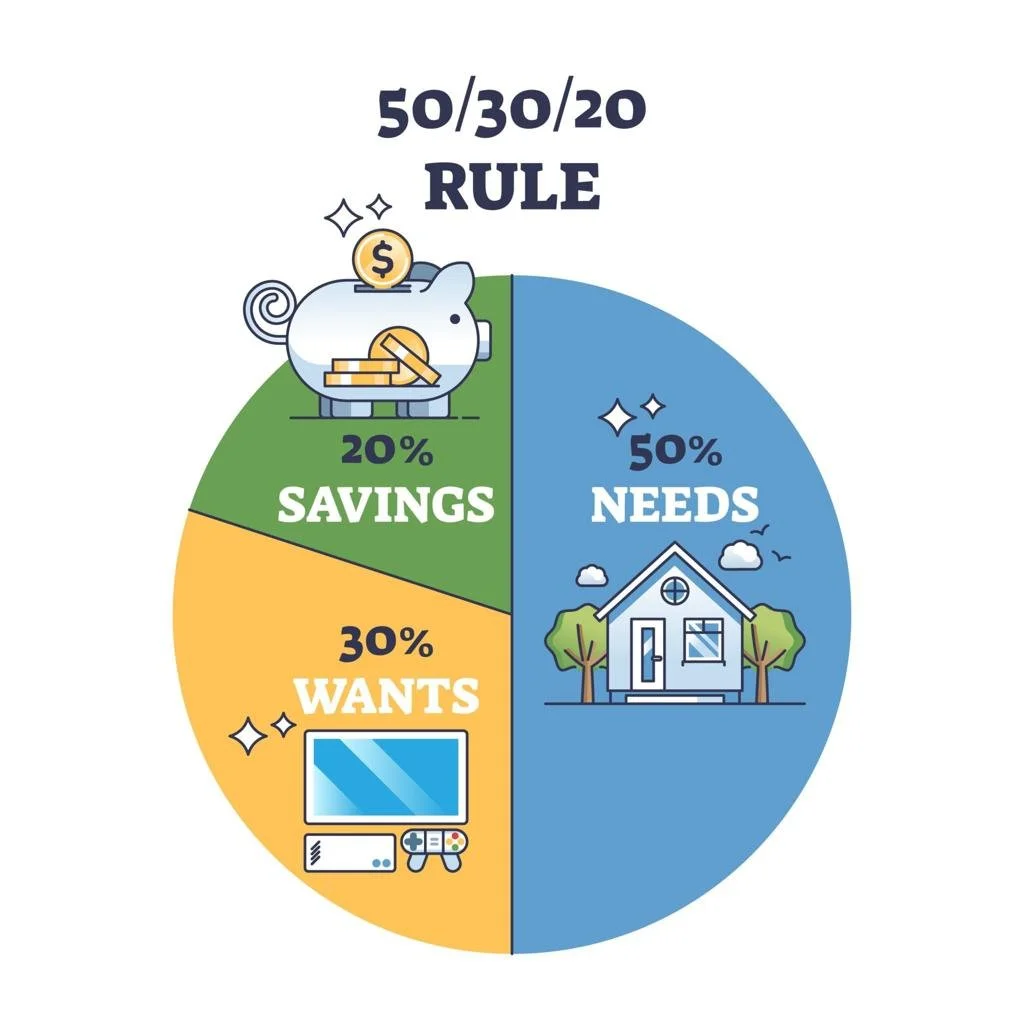
The 50/30/20 rule divides your after-tax income into three categories: needs, wants, and savings or debt repayment. The goal is to create a structure that keeps your finances organized without making budgeting feel overwhelming.
· 50% for Needs:
This category covers essential expenses such as housing, utilities, groceries, insurance, transportation, healthcare, and other basic necessities. The idea is that no more than half of your income should go toward the things you truly need to live. For many people, housing becomes the largest expense in this category, so managing housing costs effectively is often critical to making the system work.
· 30% for Wants:
One reason many people like the 50/30/20 budget is that it still leaves room to enjoy life. This category includes dining out, entertainment, vacations, hobbies, subscriptions, and other non-essential spending that improves quality of life but is not technically necessary.
· 20% for Savings and Debt Repayment:
The final 20% focuses on improving your financial future. This includes building an emergency fund, contributing to retirement accounts, investing, and paying down high-interest debt. The goal is to consistently make progress toward long term financial stability and freedom.
The Benefits of the 50/30/20 Budget
While there are many different budgeting methods available, the 50/30/20 rule stands out because of its simplicity and flexibility.
· Simplicity and Flexibility:
Unlike highly detailed budgeting systems that require constant tracking and adjustments, the 50/30/20 method focuses only on three broad categories. This makes it easier for many people to follow consistently. It’s also flexible enough to adjust as income levels, financial priorities, or living situations change over time.
· Balanced Financial Living:
One of the biggest advantages is that this budgeting method encourages balance. You’re not expected to eliminate all enjoyment from your life in the name of saving money. Instead, the budget allows you to responsibly enjoy the present while still preparing for the future.
· Encourages Saving and Debt Reduction:
By dedicating 20% of your income toward savings and debt repayment, the system helps build long term financial discipline. Over time, this can help strengthen retirement savings, reduce financial stress, and improve overall financial security.
· Helps Prevent Lifestyle Inflation:
As income increases, it’s easy for spending to increase as well. The percentage-based structure of the 50/30/20 budget helps create boundaries that can reduce lifestyle inflation and encourage more intentional financial decisions.
Potential Pitfalls of the 50/30/20 Budget
Although the 50/30/20 budget works well for many people, it is not perfect for every financial situation.
· May Not Be Aggressive Enough for High Debt:
If you have large amounts of high-interest debt, such as credit card balances or substantial student loans, allocating only 20% toward debt repayment may slow progress more than you would like. In some situations, temporarily adjusting the percentages may make more sense.
· Can Be Difficult in High-Cost Areas:
For people living in expensive cities or high cost-of-living areas, housing alone may exceed 50% of income. This can make the budget harder to follow without making significant lifestyle adjustments or modifying the percentages.
· May Be Too Simple for Complex Financial Goals:
Some individuals and families have more advanced financial goals involving retirement planning, college savings, investing, and multiple debt obligations. In these cases, additional financial planning beyond the 50/30/20 framework may be helpful.
How to Make the 50/30/20 Budget Work for You
· Track Spending Early On:
Even though the system is simple, tracking your spending closely during the first few months can help ensure you are staying within your target percentages and identify areas where adjustments may be needed.
· Adjust the Ratios if Necessary:
The 50/30/20 budget is not meant to be rigid. Depending on your cost of living, debt situation, or financial goals, slightly adjusting the percentages may create a more realistic and sustainable plan.
· Prioritize High-Interest Debt:
Within the 20% category, focusing on high-interest debt first may improve your financial situation faster by reducing costly interest payments.
· Use Technology to Stay Organized:
Budgeting apps and automatic transfers can make it much easier to stay consistent with saving, bill payments, and spending limits without constantly monitoring every transaction manually.
The Bigger Financial Picture
The 50/30/20 budget offers a simple and flexible framework for managing money while still balancing financial responsibility and personal enjoyment. For many people, it provides enough structure to improve financial habits without becoming overwhelming.
However, no budgeting system is truly one-size-fits-all. Your income, debt levels, lifestyle, and financial goals all play a role in determining whether this approach works well for you.
Interested in creating a budget that fits your lifestyle and long term financial goals? Let’s build a strategy that helps you stay organized while still enjoying life along the way.
At KLD Wealth Management, financial planning focuses on creating strategies tailored to your specific situation. Budgeting is not just about restricting spending—it’s about creating a system that supports your long term financial success and gives you confidence in your financial future.