
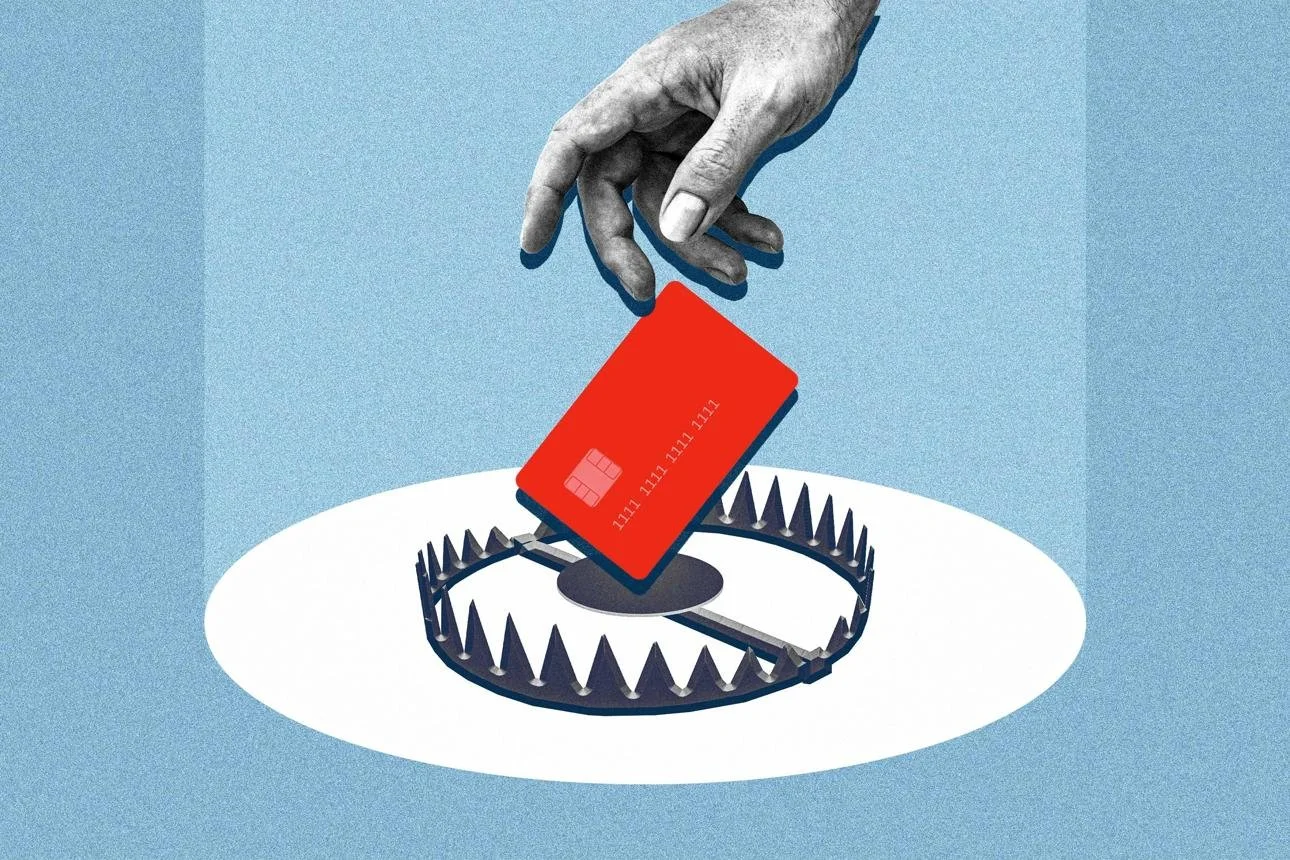
The 0% Financing Trap: Is "Free Money" Really Free?
Imagine walking into a car dealership or furniture store and seeing a giant sign advertising “0% Interest for 24 Months!” At first glance, it sounds like an easy financial win. No interest, lower monthly payments, and the ability to spread out costs over time can make these offers extremely appealing. But here’s the catch: like most things that seem too good to be true, 0% financing can come with hidden costs and pitfalls that could leave you paying far more than you bargained for.
But while 0% financing can sometimes be useful, these deals often come with hidden conditions and risks that many consumers overlook. Understanding how these promotions work can help you avoid costly mistakes and make smarter financial decisions. Before you sign on the dotted line, let’s uncover the fine print and see if that “interest-free” deal is truly worth it.
Before signing any financing agreement, it’s important to understand how these offers actually work, when they may make sense, and when they can create financial problems.
What Is 0% Financing?
0% financing allows consumers to borrow money without paying interest during a promotional period. These offers are commonly used by car dealerships, furniture stores, electronics retailers, and credit card companies to encourage larger purchases.
At first glance, the idea sounds simple. Instead of paying for something upfront, you spread the payments out over time without additional interest charges. However, lenders and retailers are rarely offering “free money” purely out of generosity. In many cases, the cost is recovered elsewhere through higher prices, reduced negotiation flexibility, or strict financing requirements.
Where Is 0% Financing Commonly Offered?
1. Car Dealerships
Auto dealerships frequently advertise 0% APR financing to help move inventory or encourage buyers to purchase more expensive vehicles. These promotions are often reserved for highly qualified buyers with excellent credit scores, which means not everyone will actually qualify for the advertised terms.
2. Retail and Furniture Stores
Furniture stores, electronics retailers, and appliance companies commonly use 0% financing promotions to encourage consumers to make larger purchases. Offers such as “No interest for 24 months” or “No payments until next year” are designed to make expensive purchases feel more affordable.
3. Credit Card Promotions
Many credit cards offer introductory 0% APR periods on purchases or balance transfers. While these offers can be useful in certain situations, the interest rates after the promotional period often become extremely high if balances are not paid off in time.
The Appeal of 0% Financing
The primary appeal of 0% financing is straightforward: why not spread out your payments if it doesn’t cost you more? For many consumers, it feels like getting an interest-free loan, making large purchases seem more affordable and less daunting. But here’s where the psychology comes into play: the promise of “free” financing can sometimes cloud your judgment, leading you to spend more than you originally intended.
For example, let’s say you’re considering a $1,200 sofa, but a similar $2,000 sofa is available with 0% financing. Instead of paying $1,200 upfront, you might decide to opt for the $2,000 option, thinking the monthly payments will be manageable. However, if you don’t have a clear plan to pay it off within the promotional period, that “free” financing can quickly turn into a costly mistake. Understanding where 0% financing is offered, and why it’s so enticing, is the first step in avoiding the trap. In the next section, we’ll look at the benefits of 0% financing and when it might actually be a good deal—if approached with caution.
The Benefits of 0% Financing
When used responsibly and strategically, 0% financing can provide legitimate financial benefits in the right situations. But like any financial tool, it’s only effective when you know how to use it.
1. Interest-Free Payments
The most obvious benefit is avoiding interest charges during the promotional period. If the balance is paid off completely before the financing period ends, every payment goes directly toward the principal balance.
2. Improved Cash Flow Flexibility
Instead of making one large upfront payment, 0% financing allows you to spread costs over time. This may help preserve cash flow for emergency savings, investing, retirement contributions, or other financial goals.
Example:
Let’s say you’re choosing between paying $15,000 in cash for a car or using 0% financing over 36 months. The $417 monthly payment could be much easier to manage than a lump-sumpayment, allowing you to maintain liquidity and flexibility in your budget.
3. Potential Credit Building
Making consistent on-time payments may help strengthen your credit history and improve your credit score over time, assuming balances remain manageable. Pro Tip: Be mindful of your credit utilization ratio, which measures the amount of credit you’re using compared to your total available credit. If you have a high utilization ratio (over 30%), it couldnegatively impact your credit score even if you’re making all payments on time.
4. Makes Major Purchases More Manageable
Unexpected expenses such as replacing an appliance, purchasing a vehicle, or handling emergency home repairs can become easier to manage when payments are spread over time without interest.
5. Opportunity to Keep Cash Invested
Some financially disciplined individuals use 0% financing strategically by keeping their cash invested or in high-yield savings accounts while making monthly payments over time.
The Risks and Pitfalls of 0% Financing
Despite the advantages, 0% financing can become dangerous when consumers fail to understand the terms or take on more debt than they can comfortably manage.
1. Deferred Interest Clauses
Some financing offers include deferred interest terms. This means that if the balance is not completely paid off before the promotional period ends, interest may be charged retroactively on the entire original balance, not just the remaining amount. Example: Let’s say you finance a $5,000 furniture purchase at 0% interest for 12 months, but you still owe $200 at the end of the promotional period. Suddenly, the lender can tack on 20% interest on the entire $5,000 starting from day one, which could add up to hundreds or even thousands of dollars in unexpected charges.
2. Strict Payment Requirements
Missing even one payment could void the promotional rate and trigger significantly higher interest charges. In some cases, one late payment may completely eliminate the 0% financing benefit.
3. Encourages Overspending
Low monthly payments can psychologically make purchases feel cheaper than they really are. Many consumers end up buying more expensive items or upgrades simply because the monthly payments seem manageable.
4. Limited Qualification
Many of these offers are only available to borrowers with strong credit scores. Consumers who do not qualify may receive much higher interest rates than expected. How to Avoid It: Check your credit score before applying for any financing offer, and be sure to understand the
5. Opportunity Cost
Taking on new financing may distract from more important financial priorities, such as paying down high-interest debt, building emergency savings, or investing for retirement. Example: If you’re putting all your extra cash into paying down a 0% furniture loan instead of tackling your 18% credit card debt, you’re missing out on substantial interest savings that could have been achieved by focusing on the higher-interest balance first.
How to Avoid It: Look at your entire financial picture before committing to 0% financing. Ask yourself if this purchase aligns with your financial goals or if there are more pressing priorities.
Comparing 0% Financing to Other Financing Options
0% financing is not automatically the best option in every situation. It’s important to compare these offers against traditional loans, credit cards, or paying in cash. If the terms of a 0% financing deal seem restrictive, or if you’re worried about meeting the strict payment requirements, a traditional loan can offer peace of mind with straightforward terms andflexibility.
· Traditional Financing:
Traditional loans may include interest charges, but they are often simpler, more flexible, and less restrictive than promotional financing offers.
· 0% APR Credit Cards:
Credit cards offering introductory 0% APR periods can sometimes be useful for smaller purchases, but they often come with shorter promotional periods and higher long term interest rates.
· Paying in Cash:
Paying in cash avoids debt entirely and removes the risk of financing traps or missed payment penalties. However, using all available cash for a purchase may reduce liquidity and emergency savings.
When 0% Financing Might Make Sense
1. You Already Have the Cash Available
If you could comfortably pay for the purchase upfront but prefer to preserve liquidity, 0% financing may provide flexibility while allowing your money to remain invested or earning interest elsewhere.
2. You Have a Clear Repayment Plan
Financially disciplined individuals who automate payments and carefully budget may be able to use 0% financing responsibly without falling behind.
3. There Are No Better Financing Options
If the alternative is a high-interest loan or credit card debt, a legitimate 0% financing offer may clearly be the lower-cost option.
4. Your Emergency Fund Is Strong
A strong emergency fund provides protection if unexpected expenses arise and helps reduce the risk of missed payments.
When This Scenario Makes Sense:
If you’re confident that your financial foundation is strong, and you have an emergency fund covering 3-6 months of expenses, then a 0% financing deal can be used to your advantage. Otherwise, one unexpected hiccup could lead to missed payments, triggering higher interest rates and fees.
Best Practice:
Before taking on any new debt, make sure you have a fully-funded emergency fund and evaluate
When to Avoid 0% Financing
Despite its appeal, there are several situations where 0% financing is best avoided altogether. The reality is that these deals are often designed to entice consumers into making decisions that can backfire if conditions aren’t ideal. Here are some common scenarios where taking on a 0% financing offer may not be worth the risk and could ultimately cause more harm than good.
1. Your Budget Is Already Tight
If monthly cash flow is already stretched, taking on additional debt may create unnecessary financial pressure and increase the risk of missed payments.
2. You Carry High-Interest Debt
Paying down existing high-interest debt is often a higher financial priority than taking on new financing for additional purchases.
3. The Purchase Is Impulsive
0% financing should not become an excuse to buy something you would not otherwise purchase.
4. The Terms Are Too Restrictive
If the financing agreement includes confusing terms, deferred interest, or strict penalties, it may not be worth the risk.
Tips for Navigating 0% Financing Offers
· Read the Fine Print:
Always understand the financing terms, including deferred interest clauses, promotional expiration dates, and payment requirements before agreeing to the offer.
What to Look For:
· Deferred Interest Clauses: Is the interest truly waived, or will it be retroactively charged if you miss a payment?
· Minimum Monthly Payments: Are the payments manageable within your budget? What happens if you miss or are late on a payment?
· Length of the Promotional Period: How long is the 0% interest period? What is the interest rate after the promotion ends? Pro Tip: If you’re not comfortable interpreting the fine print, consider having a trusted advisor or financial planner review the terms with you. A quick look from a professional can save you a lotof headaches and money in the long run.
· Set Up Automatic Payments:
One of the easiest ways to lose out on a 0% deal is by missing a payment, even by a single day. To avoid this, set up automatic payments so you never miss a due date. Many lenders and retailers will void the 0% financing agreement at the first sign of a late or missed payment, switching your interest rate to something significantly higher.
How to Do This:
Link your checking account to the financing offer and authorize automatic withdrawals for the monthly payment amount. If automatic payments aren’t an option, set up reminders on your phone or calendar at least a week before the due date.
Pro Tip:
If you’re using a credit card to take advantage of 0% APR, try scheduling an extra payment mid-month to reduce your balance faster, helping you avoid the crunch toward the end of the promotional period.
· Create a Repayment Plan:
Calculate exactly how much needs to be paid each month to fully eliminate the balance before the promotional period expires.
Example:
For a $6,000 purchase with 0% financing for 24 months, your monthly payment would need to be $250. If $250 feels like it would stretch your budget, consider bumping it up to $300, so you have some leeway in case of unexpected financial changes.
· Compare Financing Options:
Before committing to 0% financing, compare it against traditional loans, credit cards, and potential cash discounts.
Pro Tip:
Even if you qualify for 0% financing, you may be able to use it as leverage to negotiate a better overall deal. Say something like, “I’m considering paying cash—can you offer me a better price?”
· Track Your Progress:
Regularly monitor your balance and repayment progress to avoid surprises near the end of the promotional period.
Pro Tip:
Create a dedicated “0% Financing” line item in your budget. This way, you’ll always know exactly how much you need to allocate each month and won’t accidentally redirect those funds elsewhere.
The Bigger Financial Picture
0% financing is not automatically good or bad. Like many financial tools, its value depends on how responsibly it is used. For disciplined borrowers with strong cash flow and a clear repayment plan, it may provide flexibility and convenience.
However, if it encourages overspending or creates unnecessary financial pressure, it can quickly become a costly mistake. Understanding the terms, evaluating your budget, and considering your broader financial goals are essential before taking on any financing offer.
At KLD Wealth Management, financial planning is about helping clients make intentional decisions that support long term financial success, not just short term convenience.
Trying to decide whether a 0% financing offer actually makes sense for your financial situation? Let’s build a strategy that keeps your long term financial goals on track.