
Save, Invest, or Pay Off Debt? Charting Your Path to Financial Freedom
When it comes to managing your money, the choices can feel overwhelming. Should you focus on saving for the future, investing to build wealth, or paying off debt to reduce financial stress? Each option has benefits, and the right decision often depends on your specific financial situation.
Understanding the differences between saving, investing, and debt repayment can help you make smarter financial decisions and create a strategy that supports your long term goals.
Saving: Building a Financial Safety Net
Saving money is the foundation of a healthy financial plan. It provides protection against unexpected expenses and helps support short term financial goals. According to a 2023 Bankrate report, 57% of Americans would struggle to cover a $1,000 emergency expense using savings alone. That statistic highlights just how important an emergency fund can be.
· When to Focus on Saving:
If you don’t currently have at least three to six months of living expenses saved, building an emergency fund should usually become a priority. Having accessible savings can help prevent you from relying on high interest debt during emergencies and can provide peace of mind during uncertain situations.
· Data to Consider:
The average savings account interest rate in the U.S. remains relatively low. While savings accounts are not designed for aggressive growth, they do provide liquidity and stability when quick access to cash becomes necessary.
Investing: Growing Your Wealth Over Time
Investing offers the opportunity to grow your wealth over the long term. By investing in assets such as stocks, bonds, or real estate, you can potentially benefit from compounding returns and long term market growth.
Historically, the stock market has produced average annual returns of roughly 7% to 10% after inflation, although returns are never guaranteed and short term volatility should always be expected.
· When to Focus on Investing:
If you already have a strong emergency fund and your debt is manageable, investing may help you build long term wealth more efficiently. This is especially true when your potential investment returns may exceed the interest rate on your debt.
· Data to Consider:
The power of compounding can become substantial over time. Investing $500 per month with an average annual return of 8% could potentially grow to more than $150,000 over 15 years. However, investing always involves risk, and market performance will vary.
Paying Off Debt: Reducing Financial Burden
Debt, especially high interest debt, can become a major obstacle to long term financial progress. Credit card interest rates remain extremely high, which means carrying balances for long periods can quickly become expensive.
Paying down debt reduces your financial obligations and can free up future cash flow for saving, investing, and other financial goals.
· When to Focus on Paying Off Debt:
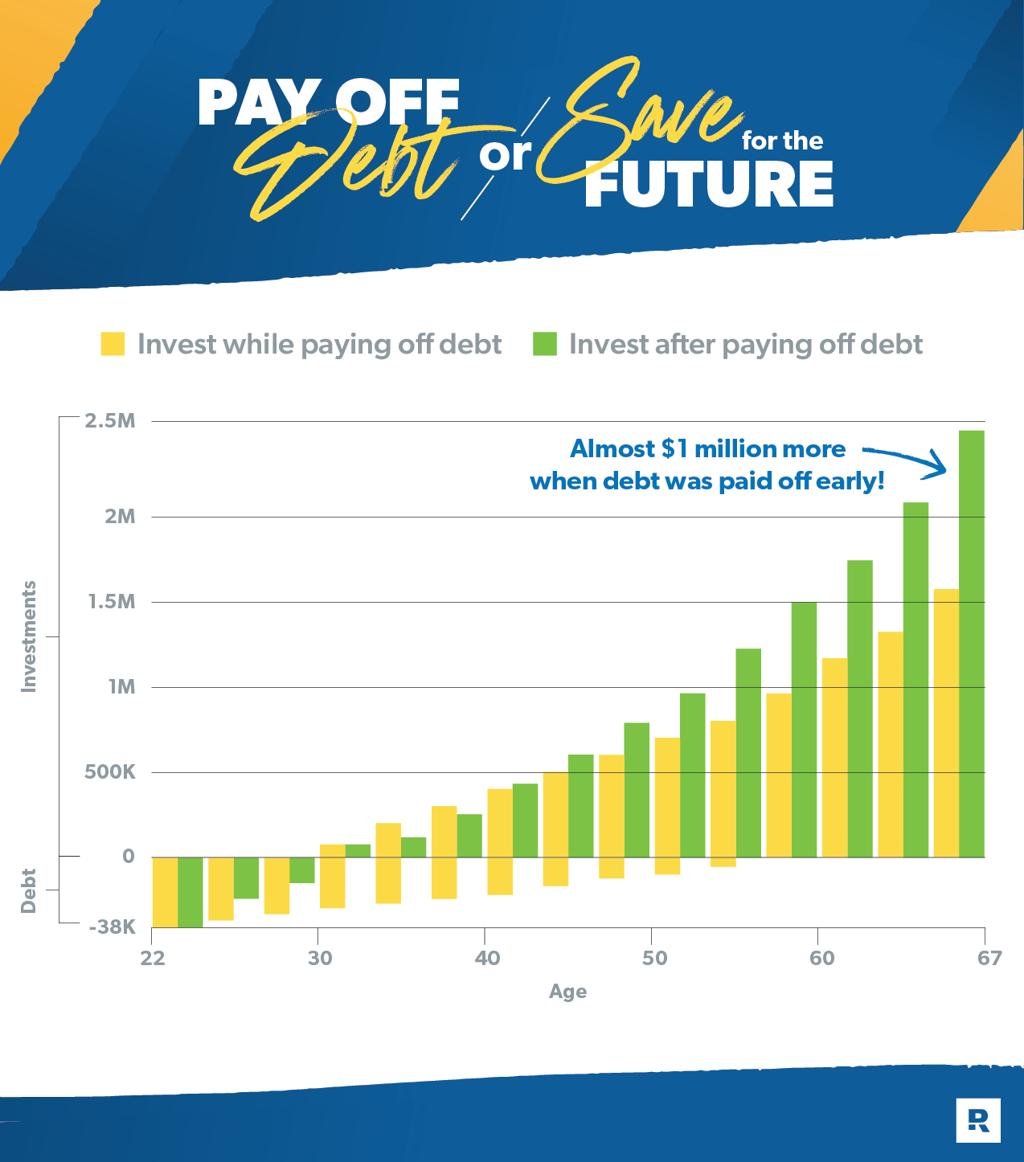
If you are carrying high interest debt, such as credit card balances, paying it down should often become a top priority. In many cases, the guaranteed interest savings from eliminating debt may outweigh potential investment returns.
· Data to Consider:
For example, a $10,000 credit card balance with a 20% interest rate can become very expensive if only minimum payments are made. Paying off high interest debt faster can potentially save thousands of dollars over time.
How Financial Planning Can Help
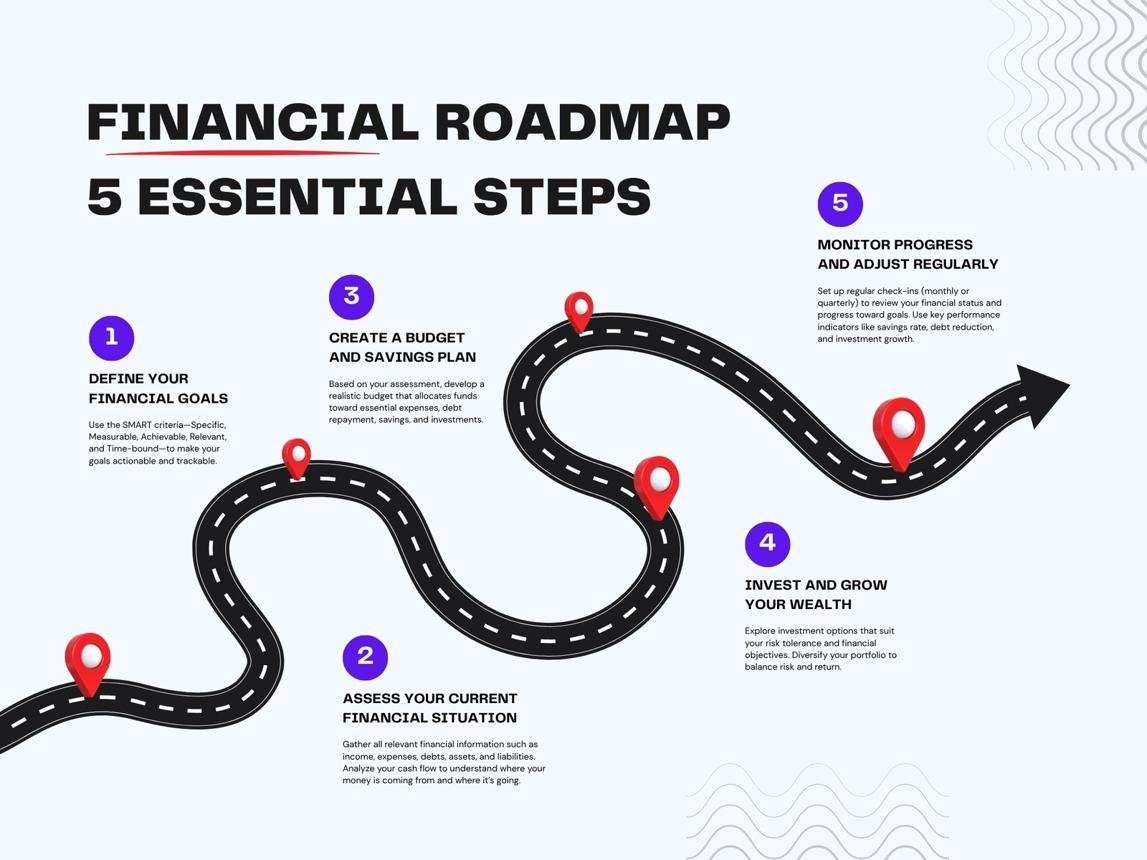
Deciding whether to save, invest, or pay off debt is not always straightforward. That’s where personal financial planning becomes valuable. A comprehensive financial plan takes into account your income, expenses, goals, debt levels, and risk tolerance to help create a strategy tailored to your situation.
· Balancing Priorities:
Financial planning can help you balance competing priorities so you are building savings, investing for the future, and reducing debt in a way that aligns with your overall goals.
· Customized Strategy:
Every financial situation is different. A financial planner can help evaluate where you currently stand and develop a strategy designed to maximize long term financial progress while managing risk appropriately.
· Ongoing Guidance:
As life changes, your financial plan should evolve as well. Regular reviews help ensure your strategy continues adapting to new circumstances and keeps you moving toward your long term objectives.
Unsure whether you should focus on saving, investing, or paying off debt? Let’s build a strategy that fits your financial goals and long term vision.
Understanding the balance between saving, investing, and debt repayment is an important step toward financial freedom. With a clear plan in place, you can make confident financial decisions that support your long term success.