
Why You Need to Understand the Interest You Pay Each Year
Interest might seem like just another line item on your monthly statement, but its impact on your financial health is far from minor. Understanding the interest you pay each year is extremely important if you want to maintain control over your finances and avoid allowing debt to quietly disrupt your long term financial future.
Many people focus only on the monthly payment attached to a loan or credit card without realizing how much interest they are actually paying over time. Without a clear understanding of those costs, a significant portion of your income may end up going toward servicing debt instead of building wealth.
Here’s why understanding interest matters, how recent Federal Reserve actions have affected borrowing costs, and how personal financial planning can help you stay financially on track.
The Hidden Cost of Interest
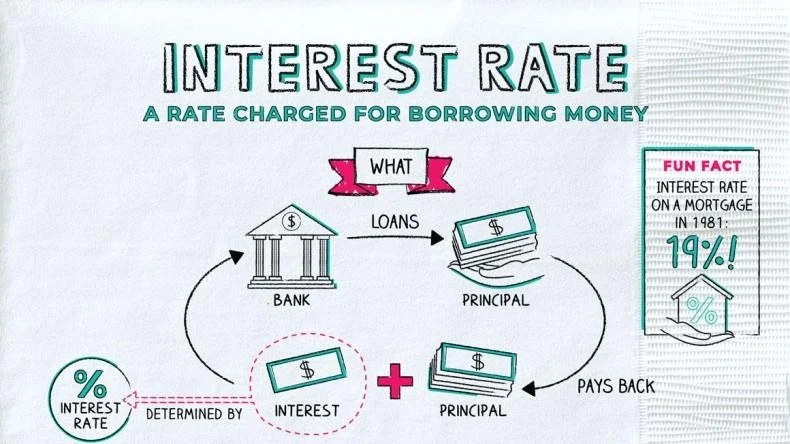
Interest is essentially the price you pay for borrowing money, whether it comes from credit cards, mortgages, auto loans, or student loans. While interest charges may seem manageable at first, they can quietly grow over time and become a significant financial burden.
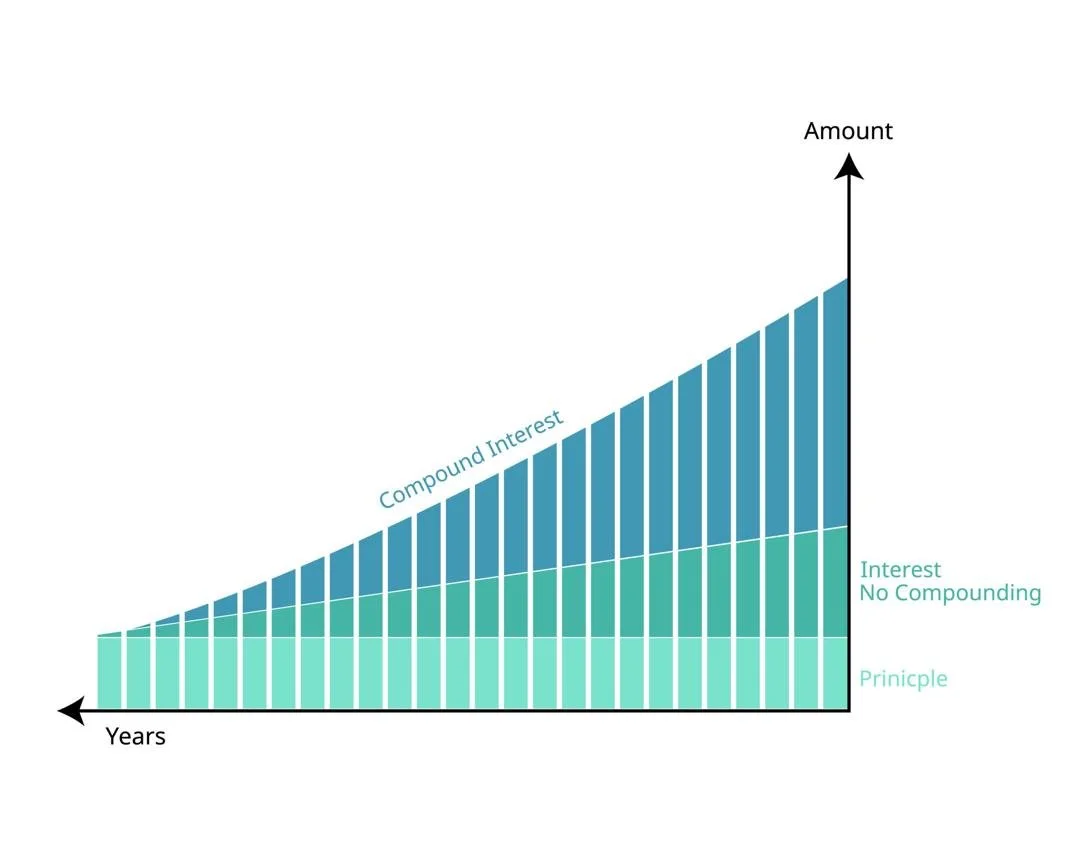
Many people underestimate how expensive debt actually becomes because they only focus on the required monthly payment instead of the total amount paid over the life of the loan. The longer debt remains outstanding, the more interest continues accumulating.
Without a clear understanding of how much interest you are paying each year, it becomes much harder to recognize how debt may be limiting your ability to invest, save for retirement, build an emergency fund, or pursue other important financial goals.
The Impact of Rising Interest Rates
Over the past few years, the Federal Reserve has raised interest rates multiple times in response to inflationary pressures throughout the economy. While these actions are intended to help slow inflation and stabilize economic conditions, they also directly impact the interest rates consumers pay on many types of debt.
· Higher Borrowing Costs:
With each interest rate increase, borrowing money generally becomes more expensive. Whether you are using credit cards, financing a vehicle, or applying for a mortgage, there is a good chance you are paying higher interest rates today than you would have several years ago. Even small increases in rates can create much larger borrowing costs over time.
· Adjustable-Rate Debt:
If you have debt tied to adjustable interest rates, such as an ARM (Adjustable Rate Mortgage) or variable-rate credit cards, your monthly payments may have increased because of the Federal Reserve’s actions. Rising payments can put pressure on monthly cash flow and make budgeting much more difficult for households already dealing with higher everyday expenses.
How Interest Can Derail Your Finances
1. Erosion of Wealth
Every dollar spent on interest is a dollar that is not being invested, saved, or used toward building future wealth. As interest rates rise, the cost of carrying debt increases as well, making it harder to work toward goals such as retirement, buying a home, funding education, or achieving financial independence.
2. Debt Cycle
Higher interest rates can create a frustrating debt cycle. When a large portion of your monthly payment goes toward interest instead of reducing the principal balance, debt becomes much harder to eliminate. Many borrowers feel like they are making payments consistently but never truly making meaningful progress.
3. Financial Stress
High-interest debt can create ongoing stress and anxiety, especially during periods of rising rates and economic uncertainty. Watching balances continue growing because of accumulating interest can make it difficult to feel financially secure or confident about the future.
The Role of Personal Financial Planning
Understanding the interest you pay is only the first step. A strong financial plan can help you manage debt more effectively, reduce unnecessary interest expenses, and avoid common financial pitfalls that may slow long term progress.
· Debt Management Strategies:
Financial planning can help identify high-interest debt and prioritize repayment strategies designed to reduce overall interest costs. Options such as refinancing, debt consolidation, or accelerated repayment plans may help free up additional cash flow for other financial goals.
· Smart Borrowing Decisions:
A financial plan helps you evaluate the true long term cost of borrowing money before taking on additional debt. Understanding how interest impacts future cash flow may help prevent financial decisions that could limit long term progress.
· Building a Wealth Foundation:
By managing interest expenses more effectively, more money can be redirected toward retirement savings, investments, emergency funds, and other wealth-building opportunities. Over time, this can help create greater financial stability and flexibility.
Don’t allow rising interest rates and growing debt costs to quietly derail your financial future. Understanding the true cost of your debt is an important step toward building long term financial independence and stability.
Your financial well-being is too important to leave to chance. Start planning today and take greater control of your financial future.