
Double the Impact: How Charitable Remainder Trusts Benefit You and the World
What if you could create a reliable income stream for yourself while also leaving a meaningful impact on the causes you care about? That’s exactly what a Charitable Remainder Trust (CRT) is designed to do. For many Millennials and Gen Xers, financial planning is no longer just about accumulating wealth—it’s also about aligning money with personal values.
Whether your passion is education, environmental conservation, healthcare, or community support, a CRT can help combine charitable giving with smart financial planning. Let’s explore how these trusts work and why they may deserve a place in your long term financial strategy.
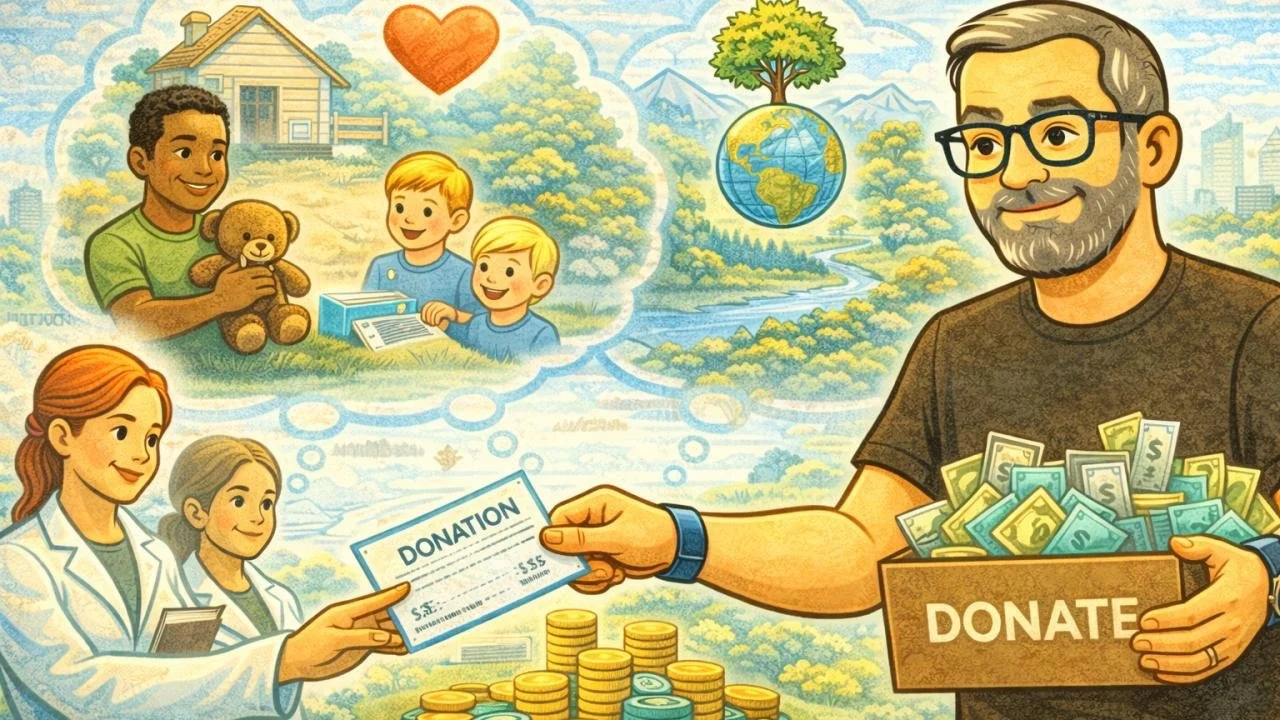
I. What is a Charitable Remainder Trust (CRT)?
Definition and Basics
A Charitable Remainder Trust allows you to transfer assets such as stocks, real estate, or cash into a trust. In return, the trust provides income payments to you or other beneficiaries for a specific period or for life. Once the trust term ends, the remaining assets are distributed to the charitable organization you selected.
There are two primary types of CRTs:
• Charitable Remainder Annuity Trust (CRAT): Provides fixed annual payments based on the trust’s original value.
• Charitable Remainder Unitrust (CRUT): Provides payments that fluctuate based on the trust’s value, which is recalculated each year.
Why Millennials and Gen X Should Care
If you own highly appreciated assets, a CRT can help reduce capital gains exposure while creating income and supporting a charitable cause that reflects your values.
II. Benefits to You: Income, Tax Advantages, and Legacy Planning
Income Stream
One of the biggest advantages of a CRT is the ability to generate ongoing income. Those payments can help support retirement, supplement cash flow, or provide flexibility as financial goals evolve.
Tax Benefits
A CRT may allow you to avoid immediate capital gains taxes on appreciated assets while potentially receiving a charitable income tax deduction. In some situations, CRTs may also help reduce the size of a taxable estate.
Legacy Planning
A CRT allows you to support organizations and causes that matter to you long after you're gone, creating a legacy that reflects both your values and financial goals.
III. Benefits to the World: Making a Difference
Supporting Causes You Care About
A CRT gives you the opportunity to make a meaningful future contribution to a charity you believe in while still benefiting from the assets during your lifetime.
Amplifying Your Social Impact
Many investors today want their money to have purpose. CRTs provide a structured way to support charitable missions while maintaining a thoughtful long term financial plan.
IV. How to Set Up a CRT: Steps and Considerations
Key Decisions
One of the first decisions is choosing between a CRAT and CRUT. You'll also need to determine how long payments should last and which charitable organization should ultimately receive the remainder.
Working with Financial and Legal Advisors
Creating a CRT requires coordination with experienced financial and legal professionals. Proper planning helps maximize benefits while ensuring the trust supports your objectives.
V. Case Study: A Real-Life Example of a CRT in Action
Consider a couple who owns a rental property that has appreciated significantly over time. By transferring the property into a CRT before selling it, they may reduce tax consequences, receive ongoing income, and ultimately direct remaining assets to a charitable organization they support.
VI. How Charitable Remainder Trusts Fit into Personal Financial Planning
Incorporating CRTs into a Broader Financial Plan
A CRT works best when integrated with retirement planning, estate planning, insurance strategies, and other wealth management tools.
Avoiding Pitfalls
Like any financial strategy, CRTs should be reviewed periodically. Ongoing monitoring helps ensure the trust continues supporting your goals as circumstances change.

Conclusion: Making a Bigger Impact
A Charitable Remainder Trust can provide financial benefits today while creating a lasting charitable impact in the future. It offers a unique opportunity to combine income planning, tax efficiency, and philanthropy into a single strategy.
Your financial plan can support both your future and the causes that matter most to you.
With the right strategy, you can create a legacy that benefits both your family and the world for years to come.