
Lease vs. Buy: Which Car Option Is Best for You?
Purchasing a car is a major financial decision, and it involves much more than simply choosing the make, model, or color. One of the first questions many people face is whether it makes more sense to lease or buy. Both options come with benefits and drawbacks, and the right choice usually depends on your financial situation, lifestyle, and long term goals.
As a fee only financial planner, I regularly hear clients ask, “What’s the smarter financial move?” The truth is there isn’t a one size fits all answer, but understanding the advantages and disadvantages of each option can help you make a more informed decision. Let’s break down the differences and look at which option may fit your situation best.
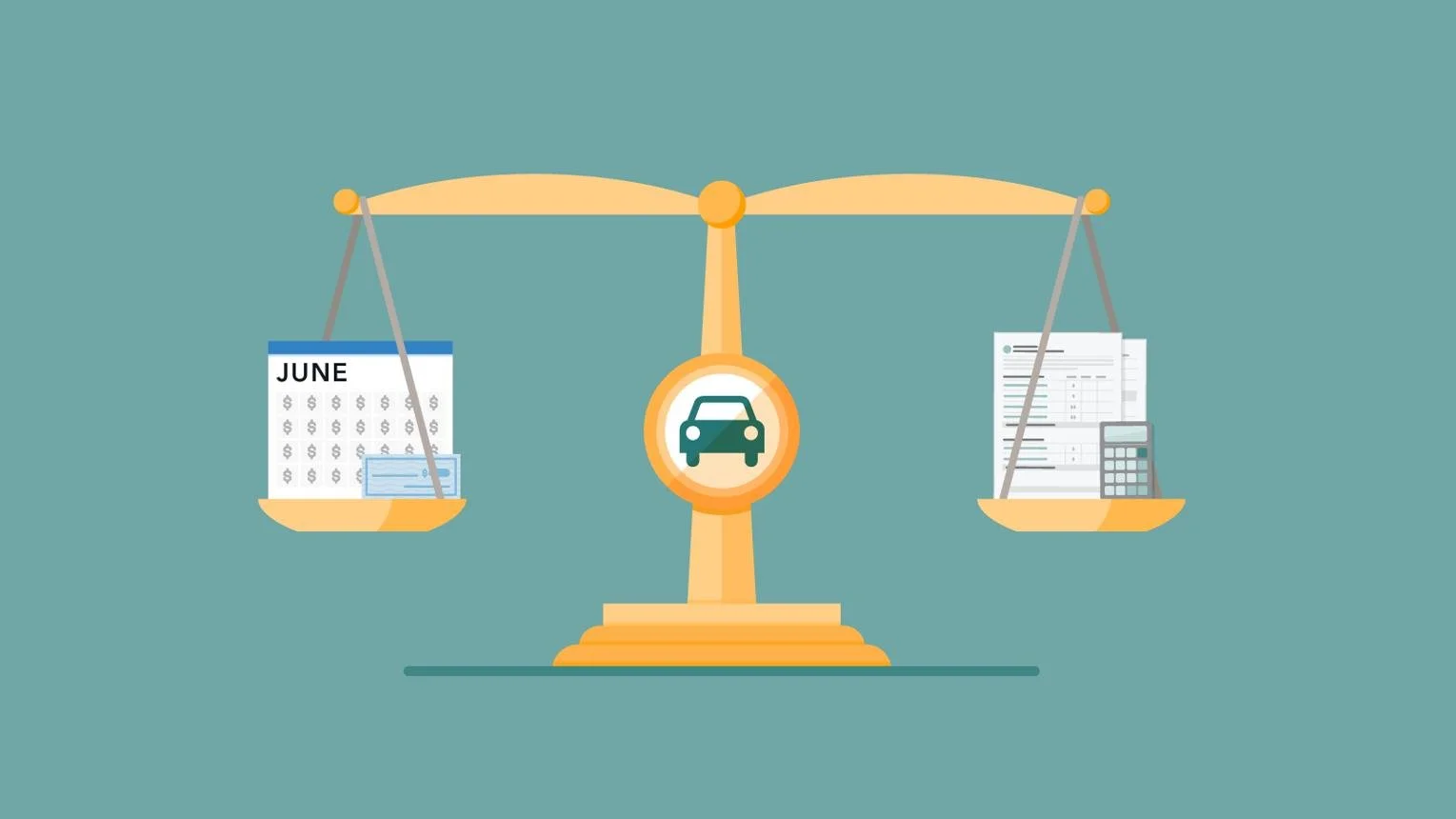
Defining the Basics: Lease vs. Buy
1. What Does It Mean to Lease a Car
Leasing a car is similar to a long term rental agreement that usually lasts between two and four years. You make monthly payments just like you would with a loan, but the payments are generally lower because you’re mainly paying for the vehicle’s depreciation during the lease term along with interest and fees. At the end of the lease, you don’t automatically own the vehicle. Instead, you can return it, purchase it at a predetermined price, or lease another new vehicle.
2. What Does It Mean to Buy a Car
Buying a car means you either finance the purchase with a loan or pay for the vehicle outright. Once the loan is paid off, the car is fully yours. Buying usually comes with higher monthly payments compared to leasing, but eventually you eliminate the payment completely once the loan is satisfied.
Benefits of Leasing a Car
1. Lower Monthly Payments
Leases typically come with lower monthly payments than traditional car loans, making it easier to drive a newer vehicle without stretching your monthly budget too far. For some people, this can free up additional cash flow for other financial goals such as investing, saving, or paying down debt.
2. Always Drive a Newer Car
If you enjoy having the latest technology, updated safety features, and newer vehicle models every few years, leasing gives you the opportunity to upgrade regularly without dealing with the process of selling or trading in a vehicle yourself.
3. Lower Maintenance Costs
Most lease terms fall within the manufacturer’s warranty period, which means major repair costs are usually limited. While routine maintenance is still required, expensive repairs are generally much less common compared to owning an older vehicle.
4. Tax Benefits for Business Use
If the vehicle is used primarily for business purposes, leasing may provide tax advantages. Depending on your situation, part of your lease payment could potentially be deductible, which may make leasing more attractive for business owners or self employed individuals.
Pitfalls of Leasing a Car
1. No Ownership
At the end of the lease, you do not own the vehicle unless you choose to buy it. This means that even though you’ve been making monthly payments, you aren’t building equity in the car. If you continue leasing vehicles, you may always have a monthly car payment.
2. Mileage Restrictions
Most leases come with annual mileage limits, typically between 10,000 and 15,000 miles per year. Going over those limits can lead to expensive penalties, which makes leasing less ideal for people with long commutes or who travel frequently by car.
3. Wear and Tear Fees
Lease agreements often have strict guidelines regarding what qualifies as normal wear and tear. Excess scratches, dents, stains, or interior damage can result in additional charges when the lease ends.
4. Complicated to Exit Early
Ending a lease before the contract expires can become expensive. Early termination fees, remaining payments, and additional penalties can make it difficult if your financial situation or transportation needs suddenly change.
Benefits of Buying a Car
1. Ownership and Equity
Once your loan is paid off, the vehicle becomes a fully owned asset. You are free to keep it as long as you want, sell it privately, or use its value as a trade in when you’re ready for another vehicle.
2. No Mileage Restrictions
Unlike leases, owning a car means you can drive as much as you want without worrying about mileage penalties. This can be especially valuable for people who commute often or enjoy road trips.
3. Customization Freedom
When you own your vehicle, you have complete flexibility to modify it however you like. Whether it’s new wheels, upgraded sound systems, or cosmetic changes, ownership gives you full control over the vehicle.
4. Cost Savings Over Time
Although buying often comes with higher upfront costs and monthly payments, ownership can become much more economical in the long run. Once the loan is paid off, you can continue driving the vehicle without monthly payments.
Pitfalls of Buying a Car
1. Higher Monthly Payments
Because car loans are generally shorter than lease agreements, monthly payments are usually higher. This can create more pressure on short term cash flow and monthly budgeting.
2. Rapid Depreciation
New vehicles lose value quickly, especially during the first few years of ownership. In many cases, a brand new car loses a significant portion of its value shortly after leaving the dealership.
3. Maintenance Costs
Once your warranty expires, you become responsible for repair and maintenance expenses. As vehicles age, these costs can increase substantially over time.
4. Potential for Negative Equity
If the vehicle depreciates faster than the loan balance decreases, you could end up owing more than the car is worth. This can create challenges if you decide to sell or trade in the vehicle before paying off the loan.
Financial Considerations: Lease vs. Buy
1. Monthly Cash Flow Impact
Leasing can provide lower monthly payments, which may improve short term cash flow flexibility. Buying may cost more upfront, but it often creates more long term savings once the loan is paid off.
2. Long Term Cost Comparison
Over a longer time period, buying is often the more economical option, especially if you keep the vehicle for several years after the loan is gone. Leasing repeatedly can become significantly more expensive over time.
3. Resale Value and Depreciation
If you’re buying, choosing vehicles with strong resale value can help offset depreciation. With leases, depreciation is already built into the payment structure, making resale value less important during the lease term.
4. How It Fits Into Your Financial Plan
The decision should ultimately support your broader financial goals. If lower monthly payments help free up money for investing or debt reduction, leasing may make sense. If long term savings and ownership flexibility are more important, buying may be the stronger option.
Which Is Right for You?
Leasing and buying both come with advantages and disadvantages. Leasing may be a better fit for people who value lower monthly payments and driving newer vehicles, while buying often makes more sense for those focused on long term savings and flexibility.
At KLD Wealth Management, financial decisions like vehicle purchases should fit within your overall financial strategy, not work against it.