
No, You Aren’t Covered… Common Misconceptions About Homeowner’s & Renter’s Insurance
Many people assume they fully understand their homeowner’s or renter’s insurance coverage until they actually have to file a claim. Unfortunately, that’s often when they discover there are major gaps in their policy they never expected.
Insurance policies can be complicated, and there are several misconceptions that leave people financially exposed when unexpected situations happen. From flood damage to personal belongings and liability protection, many assumptions people make about insurance simply are not true.
Understanding what your policy actually covers is an important part of protecting your financial future. At KLD Wealth Management, risk management is viewed as an important part of a complete financial plan, and insurance plays a major role in that process.
Let’s break down some of the most common misconceptions surrounding homeowner’s and renter’s insurance so you can better understand where you may be vulnerable.
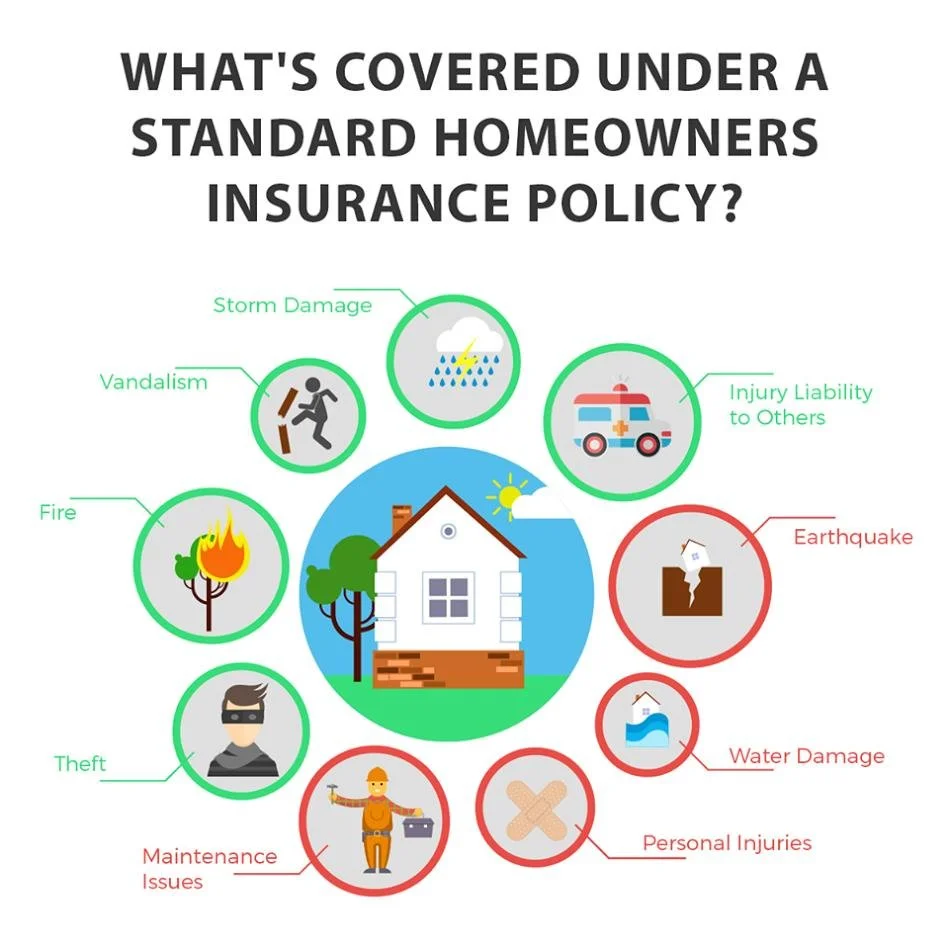
Common Misconceptions About Homeowner’s Insurance
Homeowner’s insurance provides valuable protection, but many people misunderstand what is actually included in their policy. Here are some of the most common misconceptions homeowners have about coverage:
Misconception #1: “Flood Damage Is Covered.”
· Reality: Most standard homeowner’s insurance policies do not cover flood damage. Homeowners who want protection from flooding generally need to purchase separate flood insurance, especially if they live in areas prone to heavy rain, hurricanes, or rising water levels.
· Solution: Review your policy carefully and determine whether flood insurance makes sense for your area and level of risk.
Misconception #2: “My Home Should Be Insured for Its Market Value.”
· Reality: Insurance companies are usually more concerned with replacement cost than market value. Market value includes factors such as location and land value, while replacement cost focuses on what it would cost to rebuild the home if it were destroyed.
· Solution: Make sure your coverage limits are based on rebuilding costs rather than what your home may currently sell for on the market.
Misconception #3: “All My Personal Belongings Are Fully Covered.”
· Reality: While homeowner’s insurance does cover personal belongings, many policies include limits on high value items such as jewelry, collectibles, firearms, electronics, and artwork.
· Solution: Consider additional riders or endorsements for expensive belongings that may exceed your policy’s standard limits.
Misconception #4: “Homeowner’s Insurance Covers Every Natural Disaster.”
· Reality: Not all natural disasters are automatically covered. Floods and earthquakes are two major examples that often require separate insurance policies.
· Solution: Understand the risks specific to your location and review whether additional coverage is needed for those threats.
Misconception #5: “If Someone Gets Hurt on My Property, I’m Fully Protected.”
· Reality: Most homeowner’s policies include liability protection, but policy limits may not always be enough for major claims or lawsuits.
· Solution: Review your liability limits and consider umbrella insurance if additional protection may be necessary.
Common Misconceptions About Renter’s Insurance
Renter’s insurance is one of the most misunderstood types of coverage. Many renters assume they don’t need it or believe their landlord’s insurance protects them. Here are several misconceptions renters commonly have:
Misconception #1: “Renter’s Insurance Only Covers My Personal Belongings.”
· Reality: Renter’s insurance often provides much more than protection for your belongings. Many policies also include liability coverage and loss of use protection, which can help pay for temporary housing if your rental becomes uninhabitable because of a covered event.
· Solution: Review your policy’s liability and loss of use coverage limits to make sure they fit your situation and potential risks.
Misconception #2: “My Landlord’s Insurance Covers Me.”
· Reality: A landlord’s insurance policy generally only protects the building itself, not the tenant’s belongings inside the unit.
· Solution: Purchase your own renter’s insurance policy to protect personal property, liability exposure, and additional living expenses if needed.
Misconception #3: “Renter’s Insurance Is Too Expensive.”
· Reality: Many renters avoid coverage because they assume it is expensive, but renter’s insurance is often surprisingly affordable compared to the financial protection it provides.
· Solution: Compare quotes and coverage options. In many cases, the monthly premium is relatively low.
Misconception #4: “My Roommate’s Policy Covers My Stuff Too.”
· Reality: In many situations, roommates are not automatically covered under the same policy unless they are specifically listed together.
· Solution: Make sure everyone living in the rental understands whether they need separate policies or additional coverage.
Misconception #5: “I Don’t Own Anything Valuable.”
· Reality: Even if you don’t think your belongings are expensive, replacing everyday items like furniture, electronics, clothing, and kitchen supplies can become extremely costly after a major loss.
· Solution: Take inventory of your belongings and estimate replacement costs. Most people are surprised by how quickly those numbers add up.
Why Understanding Your Coverage Matters
Insurance is designed to protect you from financial setbacks, but coverage gaps can create major problems when assumptions replace understanding. Many people discover exclusions, limits, or missing coverage only after filing a claim.
Reviewing your policies regularly and understanding exactly what is and is not covered can help prevent expensive surprises later. As your financial situation changes, your insurance needs may also evolve over time.
How Insurance Fits Into a Financial Plan
Insurance is not just about protecting property. It is about protecting your overall financial future. A major uninsured loss can derail savings goals, emergency funds, and long term financial progress.
At KLD Wealth Management, financial planning includes evaluating risks that could impact long term stability. Proper insurance coverage helps create a stronger financial foundation and reduces the likelihood of unexpected financial setbacks.
Homeowner’s and renter’s insurance policies contain details that many people overlook. Assuming you are fully covered without carefully reviewing your policy can leave you financially exposed.
Understanding common misconceptions can help you make better decisions, identify potential gaps in coverage, and ensure your protection aligns with your financial goals.