
Overconfidence Bias: The Risk of Knowing Too Much in Personal Finance
In personal finance, confidence can be a powerful tool. It gives you the ability to take action, stay committed to your goals, and make decisions without hesitation. But there is a point where confidence can go too far. When that happens, it turns into overconfidence, and that is where problems begin.
Overconfidence bias can lead people to believe they know more than they actually do or that they have more control over outcomes than they really have. In financial decision making, this can create blind spots that result in unnecessary risk and costly mistakes. Understanding this bias and learning how to manage it is essential for long term financial success.
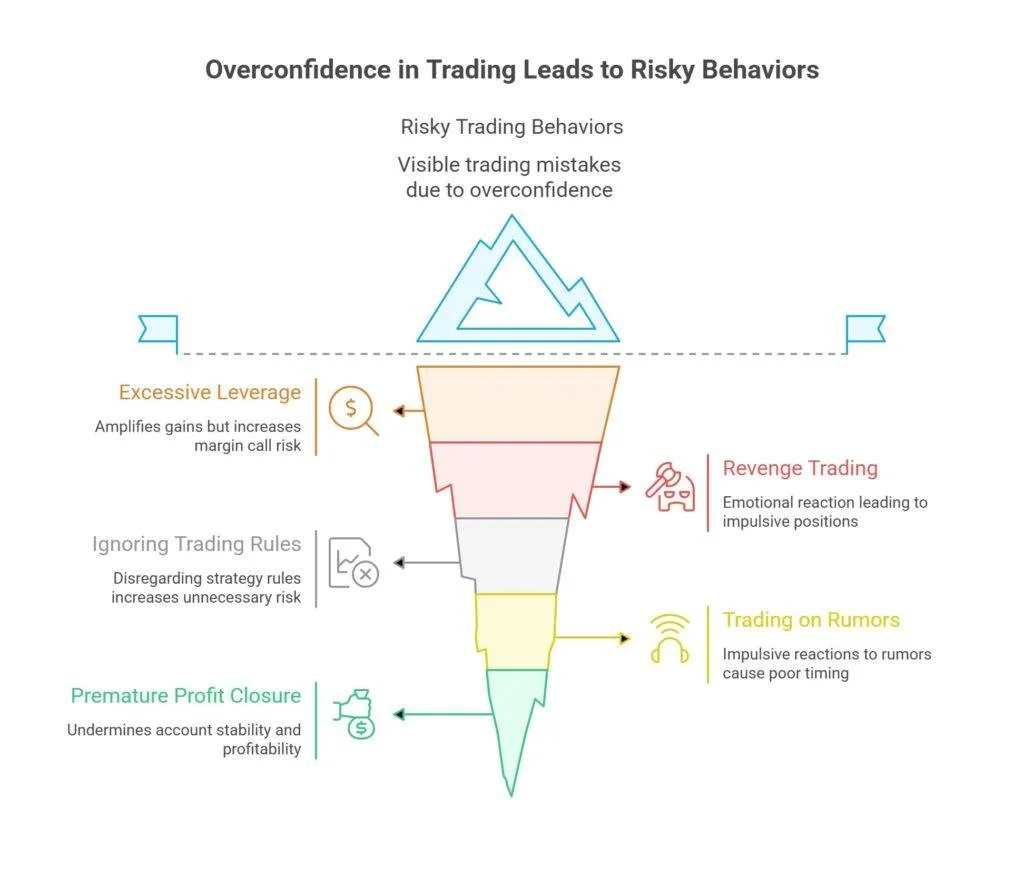
What is Overconfidence Bias?
Overconfidence bias occurs when someone overestimates their knowledge, abilities, or control over financial outcomes.
In personal finance, this bias can show up in several ways:
Investment Choices: Overconfident investors may believe they can consistently outperform the market. Because of this, they might take on excessive risk, ignore market research, or dismiss expert advice. They may feel that their insight or strategy is better than the average investor, even when the data does not support that belief.
Financial Forecasting: Overconfidence can lead to unrealistic expectations about future performance. Someone might assume that past success will automatically continue, without fully accounting for market changes, economic conditions, or unexpected risks. This can result in setting financial goals that are too aggressive or timelines that are not realistic.
Spending and Budgeting: Overconfidence can also affect everyday financial behavior. For example, someone might assume they can manage credit card debt without a clear repayment plan or believe they are not at risk of financial setbacks. This mindset can lead to weak saving habits and poor financial discipline over time.
How Overconfidence Bias Affects Personal Finance
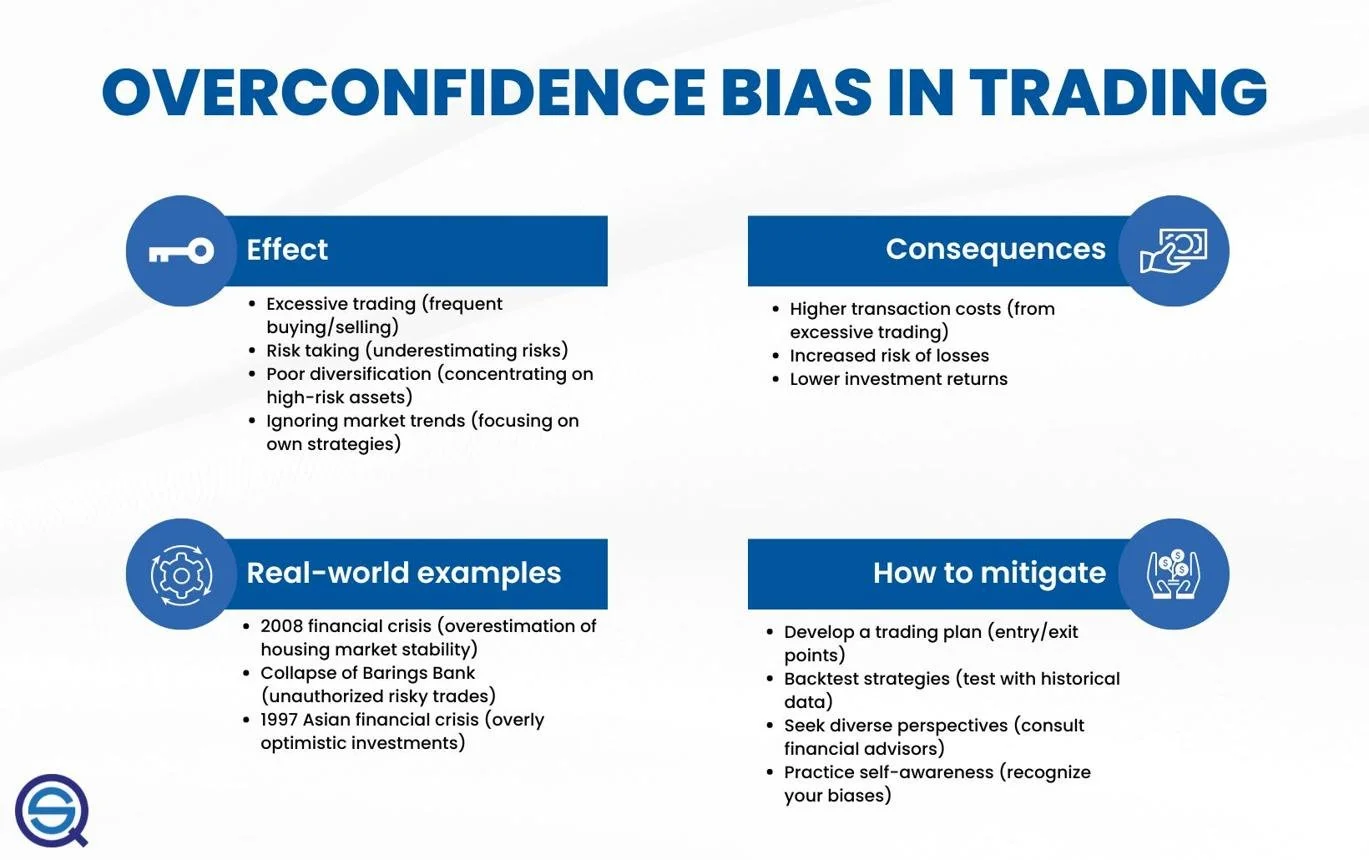
Overconfidence bias can be especially dangerous because it often leads to decisions that are not grounded in reality. Here are some of the most common ways it shows up:
1. Underestimating Risk: Overconfident individuals often take on more risk than is appropriate for their financial situation. This might include investing heavily in a single stock or putting money into speculative assets without fully understanding the downside. Because they believe in their ability to predict outcomes, they may overlook potential losses.
2. Ignoring Diversification: A common mistake is failing to properly diversify investments. When someone is overly confident in a particular idea or asset, they may concentrate their portfolio instead of spreading risk. This increases exposure and makes the portfolio more vulnerable if that investment does not perform as expected.
3. Overtrading: Overconfidence: This often leads to frequent buying and selling in an attempt to time the market. This behavior increases transaction costs and taxes while often producing lower returns than a more consistent long term strategy. Many investors believe they can outsmart the market, but in reality, this approach tends to work against them.
4. Poor Debt Management: Overconfidence can also show up in how people handle debt. Someone might take on more debt than they can realistically manage, assuming they will be able to pay it off later. Without a structured plan, this can lead to long term financial stress and limited flexibility.
Avoiding Overconfidence Bias Through Financial Planning
The best way to protect yourself from overconfidence bias is through disciplined financial planning. A clear plan helps you stay grounded and focused on what actually matters.
1. Establish Clear Financial Goals: A strong financial plan starts with clear, measurable goals. These goals act as a benchmark for decision making. Instead of relying on confidence alone, decisions are evaluated based on whether they move you closer to your objectives.
2. Emphasize Risk Management: Understanding your risk tolerance and building a diversified portfolio helps reduce unnecessary exposure. A balanced strategy ensures that no single decision has too large of an impact on your overall financial situation.
3. Regular Reviews and Adjustments: Financial plans should evolve over time. Regular reviews allow you to reassess your assumptions, adjust your strategy, and stay aligned with your goals. This process helps prevent overconfidence from going unchecked.
4. Seek Objective Advice: Working with a professional can provide an outside perspective that is not influenced by personal bias. At KLD Wealth Management, the focus is on helping clients identify blind spots, challenge assumptions, and make decisions based on data rather than confidence.
Mitigating the Impact of Cognitive Biases
Overconfidence bias is just one of many biases that can influence financial decisions. To reduce its impact, it is important to take a structured approach:
1. Use Data Driven Decision Making: Rely on research, analysis, and measurable performance instead of assumptions or intuition. This helps ensure decisions are grounded in reality.
2. Implement Structured Decision Processes: Using tools such as checklists or step by step evaluations can help you consider multiple factors before making a decision. This reduces the likelihood of acting on overconfidence alone.
3. Diversify Information Sources: Looking at different viewpoints and sources of information creates a more balanced understanding. This helps prevent narrow thinking and improves overall decision quality.
Confidence can move you forward, but without structure it can also lead you in the wrong direction. The key is making sure your decisions are backed by a clear plan, not just a strong feeling in the moment.
At KLD Wealth Management, the focus is on helping you make decisions you can trust through every stage of your financial life, not just when things feel certain.