
How Confirmation Bias Can Undermine Your Financial Success
When you make financial decisions, it’s natural to look for information that supports what you already believe. It feels reassuring, and it makes you more confident in your choices. But this habit can quietly work against you. This is known as confirmation bias.
Confirmation bias can lead you to ignore important information, overlook risks, and stick with decisions that may not actually be in your best interest. Over time, this can impact your investments, spending habits, and overall financial progress.
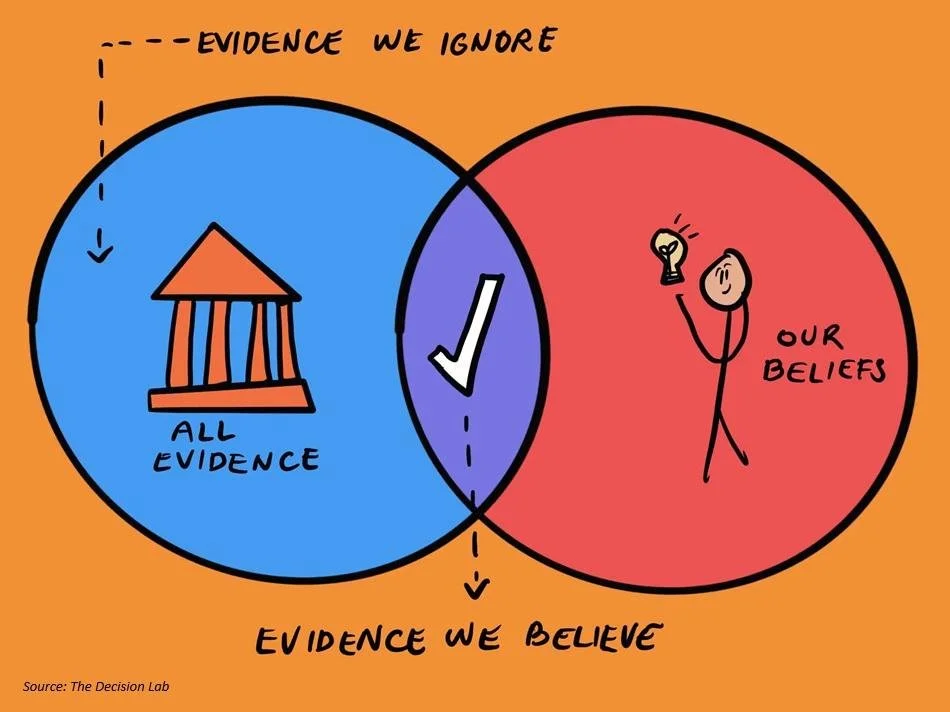
What is Confirmation Bias?
Confirmation bias is the tendency to seek out, interpret, and remember information that confirms your existing beliefs while ignoring or dismissing information that challenges them.
In personal finance, this can show up in subtle ways. You may not even realize you’re doing it, but it can shape how you view opportunities and risks.
How Confirmation Bias Shows Up in Your Financial Decisions
This bias can affect several areas of your financial life:
Investment Decisions: If you believe a certain stock or investment is a good choice, you might only look for positive news or opinions that support that belief. At the same time, you may ignore warning signs or negative data.
Financial Advice: You might prefer advice that aligns with what you already think, even if it’s not the most objective or beneficial guidance.
Spending Habits: You may justify purchases by focusing on reasons that make them seem necessary, while ignoring whether they truly fit your budget or goals.
Why Confirmation Bias Can Be Costly
While it may feel harmless, confirmation bias can lead to real financial consequences:
Missed Risks: Ignoring negative information can leave you exposed to risks you didn’t fully consider.
Poor Investment Choices: Relying only on supporting information can lead to decisions that aren’t based on a complete picture.
Slower Progress: Sticking with flawed decisions can slow down your long term financial growth.

How to Avoid Confirmation Bias in Your Financial Planning
The key to overcoming confirmation bias is creating a process that encourages more balanced thinking.
Seek Different Perspectives: Make it a habit to look at both sides of a decision. This helps you see risks and opportunities more clearly.
Use Data, Not Just Opinions: Rely on objective data and long term trends instead of only opinions that reinforce your beliefs.
Ask Better Questions: Instead of asking “Why is this a good decision?”, also ask “What could go wrong?”
Work With a Professional: An outside perspective can help challenge assumptions and bring a more objective view to your decisions.
Confirmation bias is something everyone experiences, but being aware of it gives you an advantage. When you take a step back and consider different viewpoints, you make stronger and more informed financial decisions.
At KLD Wealth Management, the focus is on helping you build a plan that is based on facts, not assumptions, so you can move forward with confidence.