
Anchoring Bias: The Hidden Trap in Personal Finance
In the complex world of personal finance, making informed decisions is crucial. Cognitive biases can often cloud our judgment and lead us astray. One of the most common and insidious biases is anchoring bias. Understanding and mitigating its effects can significantly improve your financial decision-making and overall financial health.
The first number you encounter in any financial situation shapes every decision that follows — often without you realizing it.
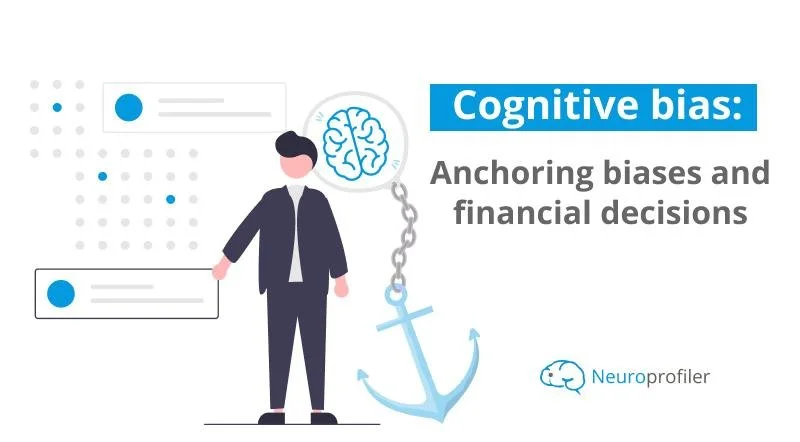
What Is Anchoring Bias?
Anchoring bias happens when we rely too heavily on the first piece of information we see, also known as the “anchor,” when making decisions.
That initial number or idea sticks in our mind and influences how we judge everything that comes after it, even if it’s not relevant or accurate.
How Anchoring Bias Affects Personal Finance
Anchoring bias can show up in several areas of personal finance:
1. Investment Decisions
Imagine you come across a stock that has dropped from $100 to $50. It’s easy to fixate on that original price and assume it’s now a bargain. But that thinking can cause you to ignore important factors like market conditions or the company’s fundamentals.
2. Purchasing Behavior
Retailers use anchoring all the time. Seeing a “was $500, now $300” tag can make something feel like a great deal. But in reality, $300 might still be more than you should be spending.
3. Salary Negotiations
The first number mentioned in a salary conversation often sets the tone. If an employer starts with a low offer, it can anchor your expectations and lead to a less favorable outcome than you deserve.

Avoiding Anchoring Bias Through Personal Financial Planning
A structured financial plan is one of the best ways to stay grounded and avoid being influenced by random anchors.
1. Set Clear Financial Goals
Having specific goals keeps you focused. Whether it’s retirement, buying a home, or building savings, clear targets help you make decisions based on what actually matters—not on arbitrary numbers.
2. Do Thorough Research
Before making any financial decision, take time to look at multiple sources. Compare options, understand the bigger picture, and avoid relying on just one number or first impression.
3. Review and Adjust Regularly
Your financial plan shouldn’t stay the same forever. Regular check-ins help you stay aligned with current information instead of outdated assumptions.
Mitigating the Impact of Cognitive Biases
Anchoring bias isn’t the only bias that can affect your decisions. Here are a few ways to stay more objective overall:
1. Consider Multiple Perspectives
Looking at different viewpoints helps balance out any single bias and gives you a clearer understanding of your options.
2. Work with a Professional
An objective perspective can make a huge difference. At KLD Wealth Management, the focus is on helping clients make decisions based on strategy, not emotion.
3. Use Structured Decision-Making
Simple tools like checklists or decision frameworks can help you slow down and think through decisions instead of reacting to a single number.
Anchoring bias is just one example of how small mental shortcuts can have a big impact on your financial life.
By recognizing it and building a solid plan, you can make more informed decisions and stay focused on your long-term goals.