
Understanding Loss Aversion in Personal Finance
When it comes to personal finance, psychology often plays a bigger role in decision making than most people realize. One cognitive bias that regularly impacts financial behavior is loss aversion. This bias occurs when the fear of losing money feels more powerful than the potential reward of gaining it, often leading to overly cautious financial decisions.
Loss aversion can quietly interfere with investment strategies, influence spending habits, and even cause you to avoid opportunities that could improve your long term financial future.
Learning how this bias works and using a solid financial plan can help you make more rational, data driven decisions instead of reacting emotionally in the moment.
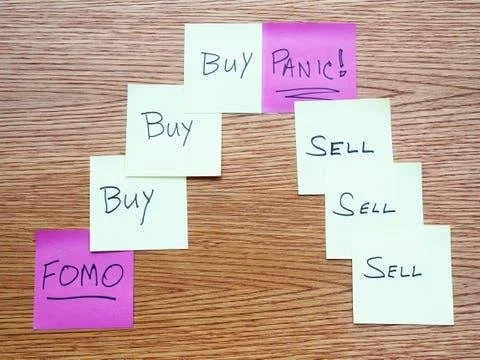
Loss aversion is a cognitive bias where people experience the pain of losing money more intensely than the satisfaction of gaining the same amount. Research has shown that losses are often felt nearly twice as strongly as gains.
In practical terms, losing $100 tends to feel much worse than gaining $100 feels good.
Because of this imbalance, people often become too cautious with money, which can lead to behaviors such as:
Avoiding investment opportunities with strong upside potential simply because they involve some level of risk.
Holding onto losing investments longer than necessary in hopes they will eventually recover.
Making overly conservative financial decisions that feel safe today but may hurt long term growth.
While caution is important in personal finance, loss aversion can prevent you from taking the calculated risks necessary for long term wealth building.
How Loss Aversion Shows Up in Personal Finance
1. Investing: Investors often allow loss aversion to influence their decisions by refusing to sell underperforming investments. Instead of accepting a loss and moving forward, they continue holding onto declining assets hoping they will return to their original value. This can keep money tied up in weak investments while better opportunities are missed elsewhere.
2. Spending and Saving: Loss aversion can also affect everyday financial habits. Some people avoid spending money on necessary repairs, maintenance, or investments that could save money later because they dislike seeing money leave their account. At the same time, they may hesitate to cut unnecessary expenses because they’ve grown attached to their current lifestyle or routines.
3. Retirement Planning: In retirement planning, loss aversion often causes people to focus too heavily on avoiding risk. For example, keeping too much money in low-yield savings accounts instead of investing for long-term growth. While this may feel safer, inflation can slowly reduce purchasing power and make retirement goals harder to reach over time.
The Role of Financial Planning in Avoiding Loss Aversion
Even though loss aversion is deeply rooted in human behavior, a strong financial plan can help reduce its influence. A structured plan creates a framework for making decisions based on long-term goals instead of short-term emotions.
4. Establish Clear Financial Goals: A financial plan starts with defining measurable goals, whether that means retirement, buying a home, or building long-term wealth. Clear goals help shift the focus from temporary losses to long-term progress.
5. Create a Balanced Investment Portfolio: Diversification is one of the best ways to manage risk and reduce the emotional impact of losses. A diversified portfolio spreads investments across different asset classes and sectors so that a setback in one asset class or sector does not derail the overall plan.
6. Develop a Long-Term Mindset: Short-term market volatility is unavoidable, but successful investing requires focusing on long-term trends instead of reacting emotionally to temporary setbacks.
7. Set Predefined Rules for Exiting Investments: Having predefined rules for selling investments can help remove emotion from decision-making. Strategies such as stop-loss limits or predetermined exit points encourage more disciplined behavior.
8. Conduct Regular Reviews and Adjustments: Financial plans should evolve over time. Regular reviews help ensure your investment strategies, spending habits, and savings goals remain aligned with your current situation and long-term objectives.
Reducing the Impact of Loss Aversion
Beyond financial planning strategies, there are several broader ways to reduce the influence of loss aversion in your decision-making:
Use Data to Guide Decisions: Rely on research, market data, and long-term trends instead of fear or emotional reactions when making financial choices.
Separate Emotions from Money: One of the biggest challenges with loss aversion is the emotional connection people have with money. Taking a more disciplined and objective approach can help reduce emotional decision-making.
Work With a Financial Professional: An experienced financial professional can provide an outside perspective and help you stay focused on decisions that align with your long-term goals instead of short-term emotions.
Loss aversion can hold you back if fear starts controlling your financial decisions. The key is building a plan that helps you stay disciplined and focused even during uncertain market conditions.
At KLD Wealth Management, the focus is on helping clients navigate the emotional side of money while staying aligned with their long term financial goals.